

Bank of Korea Governor: Stablecoins and Deposit Tokens Have Distinct Roles in Future Monetary System
BitcoinWorld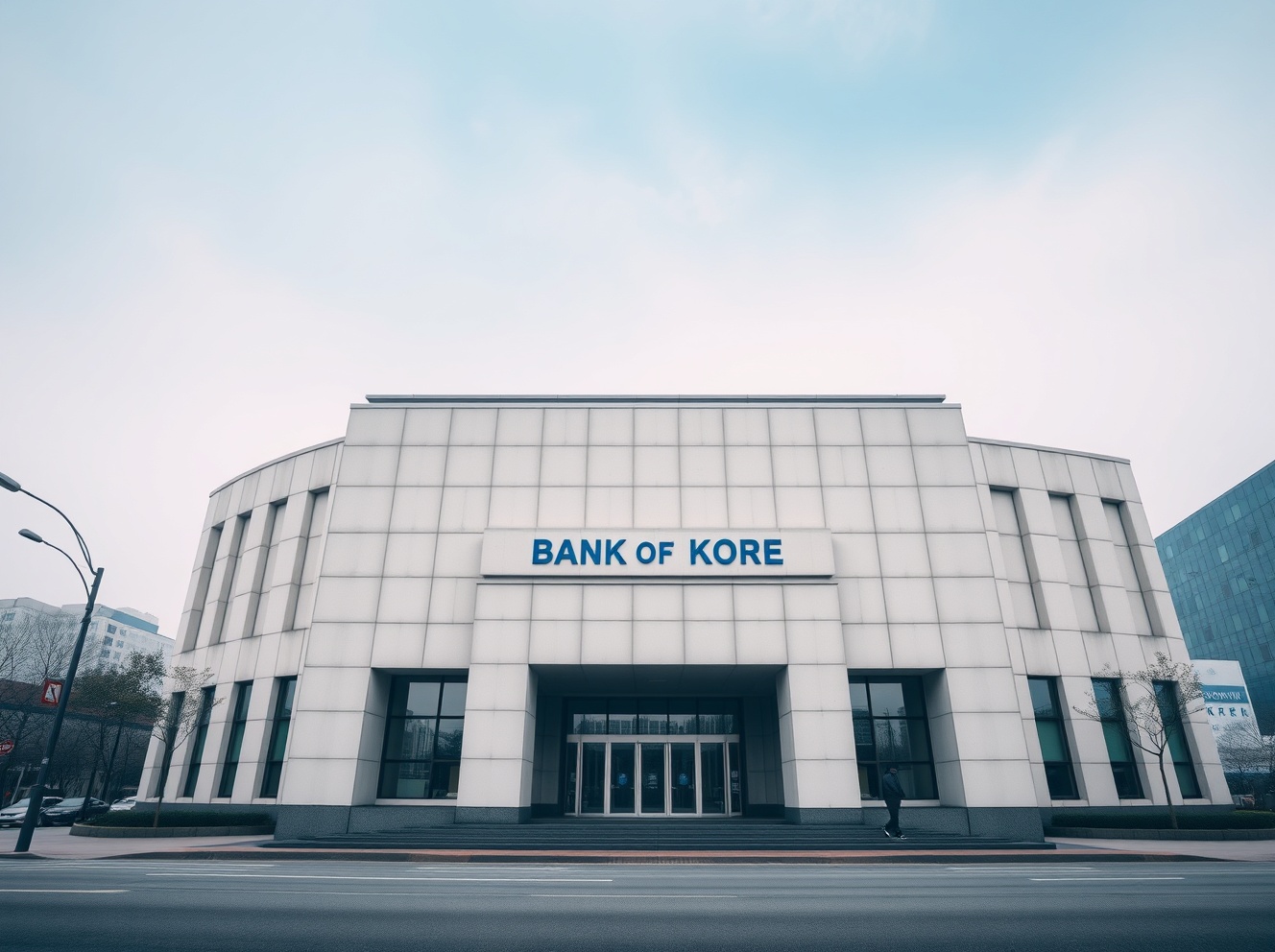
Bank of Korea Governor: Stablecoins and Deposit Tokens Have Distinct Roles in Future Monetary System
Bank of Korea (BOK) Governor Shin Hyun-song stated on July 9 that stablecoins and deposit tokens each serve specialized functions within the evolving monetary ecosystem, and that both are expected to maintain a competitive and complementary relationship. Shin made the remarks during a plenary session of the National Assembly’s Finance and Economy Planning Committee, in response to a question from Democratic Party lawmaker Ahn Do-geol.
Distinct Roles for Stablecoins and Deposit Tokens
Governor Shin’s comments clarify the BOK’s nuanced position on digital payment instruments. While both stablecoins—digital assets pegged to a fiat currency—and deposit tokens—digital representations of commercial bank deposits—share the goal of facilitating digital transactions, Shin emphasized that they are not interchangeable. Stablecoins, particularly those backed by the won, are seen as a tool for fostering innovation in payment systems and cross-border transactions, while deposit tokens are viewed as a way to modernize existing banking infrastructure.
Shin reiterated that his position on the urgent need to introduce a regulatory framework for won-based stablecoins remains unchanged. This signals the BOK’s intent to move forward with formalizing the legal status of such instruments, a step that could provide clarity for both domestic fintech firms and international cryptocurrency exchanges operating in South Korea.
Implications for South Korea’s Digital Currency Landscape
South Korea has been a global leader in central bank digital currency (CBDC) research, with the BOK conducting extensive pilot programs. However, the distinction between a CBDC, stablecoins, and deposit tokens is critical for market participants. A clear regulatory path for won-based stablecoins could accelerate their adoption for everyday payments, while deposit tokens might be used for large-value interbank settlements or tokenized deposits within the commercial banking system.
The governor’s remarks also come amid global regulatory debates. Central banks in Europe, Japan, and the United States are grappling with similar questions about how to classify and regulate stablecoins versus tokenized bank deposits. South Korea’s approach, as articulated by Shin, suggests a pragmatic dual-track strategy that embraces both private-sector innovation and public-sector oversight.
What This Means for Investors and Users
For cryptocurrency investors and businesses, the BOK’s position provides a degree of regulatory predictability. Won-backed stablecoins could become a compliant on-ramp for digital asset trading, while deposit tokens may offer a bridge between traditional banking and decentralized finance (DeFi). Users should expect that both instruments will be subject to distinct licensing and reserve requirements, with stablecoins likely facing stricter rules to ensure parity with the won.
Conclusion
Governor Shin’s statement underscores the Bank of Korea’s commitment to a balanced digital monetary system that leverages both stablecoins and deposit tokens for their respective strengths. As the BOK moves toward formalizing won-based stablecoin regulations, market participants should prepare for a regulatory environment that encourages innovation while maintaining financial stability.
FAQs
Q1: What is the difference between a stablecoin and a deposit token?
A stablecoin is a digital asset designed to maintain a stable value relative to a fiat currency like the won, often backed by reserves. A deposit token is a digital representation of a commercial bank deposit, typically used for interbank settlements or tokenized banking services.
Q2: Why is the Bank of Korea prioritizing won-based stablecoins?
The BOK sees won-based stablecoins as a tool to enhance payment efficiency and foster fintech innovation. A clear regulatory framework is needed to ensure consumer protection and financial stability.
Q3: How will this affect cryptocurrency exchanges in South Korea?
If won-based stablecoins are regulated, exchanges may be able to offer compliant stablecoin trading pairs, potentially increasing liquidity and reducing reliance on foreign stablecoins like USDT or USDC.
This post Bank of Korea Governor: Stablecoins and Deposit Tokens Have Distinct Roles in Future Monetary System first appeared on BitcoinWorld.


You May Also Like
Henti kontrak pertahanan dari Norway wajar, kata Khaled

Who Will Win the World Cup 2026? Quarter-Final Power Rankings and Updated Predictions

The Case For Buying Smaller Dividends That Grow Faster



