Pistachio pandemonium: the royal roots of M’sia’s green obsession
 From Turkey’s baklava to India’s kulfi, pistachios have earned a place in cuisines around the world. (Andrea Edmonds @ FMT Lifestyle)
PETALING JAYA: Who would have thought a tiny green nut could send Malaysia into such a frenzy?
It started off fairly harmlessly – pistachio tiramisu here, pistachio roti bakar there. Then things escalated.
Social media feeds soon filled with pistachio nasi lemak, pistachio Maggi, pistachio mala dishes – even pistachio-marinated ikan keli.
Some F&B entrepreneurs call it innovation. Others call it “vomit food”. Either way, Malaysia seems to be in the grip of full-blown pistachio pandemonium.
But long before it became the internet’s latest obsession, the humble nut had already spent thousands of years building an impressive reputation.
Scientifically known as “Pistacia vera”, pistachios are believed to have originated in parts of Central Asia and the Middle East, particularly present-day Iran, Turkey, Syria and Afghanistan.
Archaeological evidence suggests people were eating pistachios as early as 6750 BC, giving the nut a culinary history stretching back nearly 9,000 years.
In ancient Persia, pistachios were associated with wealth and prosperity. They were sometimes known as the “smiling nut” because their shells naturally split open as they mature, making them appear almost as though they were grinning.
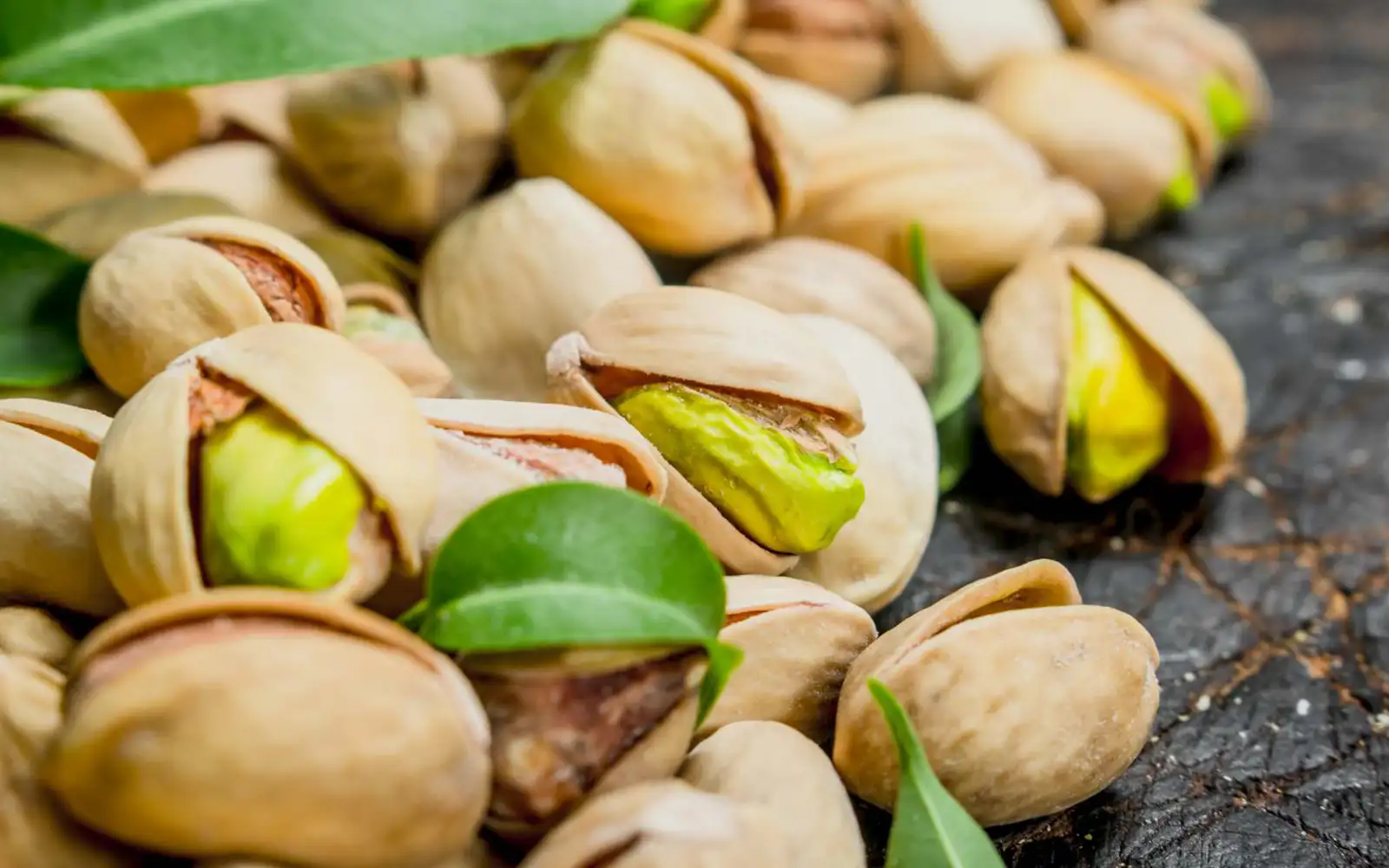 Archaeological evidence suggests pistachios have been enjoyed for nearly 9,000 years. (Envato Elements pic)
As trade flourished along routes such as the Silk Road, pistachios travelled far beyond their native regions.
One of the nut’s most enduring legends involves the Queen of Sheba. She is said to have loved pistachios so much, she declared them a royal food reserved exclusively for herself and her court.
Whether or not the story is true is unclear, but it reflects just how highly prized pistachios were in the ancient world.
Before modern agriculture, pistachio trees typically took seven to 10 years to bear fruit and much longer to reach full production. They also thrived only in specific climates and required labour-intensive harvesting.
That made them rare, expensive and highly sought after by wealthy merchants and ruling elites.
 From roti bakar to ayam gepuk, Malaysians continue finding ever more inventive ways to enjoy pistachios. (Fauzy Yunus @ FMT Lifestyle)
Over time, pistachios became woven into cuisines across continents.
In Turkey, they became synonymous with baklava. Persian influence later introduced pistachios into Mughal cuisine in India, where they adorned desserts such as kulfi and barfi.
Iran embraced them in fragrant rice dishes, while Sicily transformed locally grown pistachios into rich pasta sauces.
By the 1970s, large-scale cultivation in California dramatically increased supply, turning the humble nut from a luxury ingredient into a global commodity.
Their biggest reinvention, however, may have come in the early 2000s, when pistachio lattes, croissants and gelato helped position it as the latest “gourmet green”, alongside trends such as matcha.
Then came Dubai.
The craze exploded after boutique manufacturer FIX Dessert Chocolatier introduced a thick chocolate bar filled with pistachio cream, tahini and crispy kataifi pastry.
In late 2023, a food creator’s video of the bar – complete with its dramatic crunch and vivid green filling – went viral, catapulting pistachio back into the global spotlight.
 FIX Dessert Chocolatier claims to be the OG ‘Dubai chocolate’ manufacturer. (Instagram pic)
Today, the story is no longer unfolding in royal courts or along ancient trade routes, but on TikTok feeds and Instagram reels.
And judging by Malaysia’s ever-growing list of pistachio creations, this centuries-old nut still has plenty of new chapters left to write.


You May Also Like

Revolut to Delist USDT by August 31 as EU MiCA Rules Take Hold

Pi Network Could Be Building a New Kind of Money System, Not Just Another