

Is Crypto Banned for Indian Banks, or Just Discouraged in 2026?
BitcoinWorld
Is Crypto Banned for Indian Banks, or Just Discouraged in 2026?
Is Crypto Banned for Indian Banks, or Just Discouraged in 2026?
Crypto is not banned for Indian banks in 2026 – but it operates within a tightly regulated, cautious framework that sometimes leads to individual bank account restrictions that feel like a de facto ban. The formal RBI banking ban was struck down by the Supreme Court in 2020, and banks may now service FIU-registered crypto exchanges. However, the RBI’s institutional hostility to private crypto, combined with strict AML obligations and discretionary account-level controls by individual banks, means the relationship between Indian banks and the crypto ecosystem remains complicated. This article explains exactly what the current rules are, how they differ from the 2018 ban, what individual banks can still do to restrict users, and how Indian crypto traders can navigate banking compliance in 2026.
Is There Any Current RBI Rule Banning Indian Banks From Crypto in 2026?
No – no RBI circular banning banks from servicing crypto exists in 2026. The 2018 ban was overturned and has not been replaced.
- 2018 ban struck down: The RBI’s April 2018 circular directing banks not to service crypto businesses was struck down by the Supreme Court on 4 March 2020 in IAMAI v. RBI.
- Banking access restored: From 4 March 2020, banks are legally permitted to provide accounts, UPI services, and payment infrastructure to FIU-registered crypto exchanges.
- No replacement directive: The RBI has not issued any subsequent circular reimposing a banking ban or equivalent restriction.
- Current RBI stance: The RBI has expressed institutional concern about private crypto’s risk to monetary stability – but concern is not a directive. Banks operate under the 2020 Supreme Court framework, not a new ban.
- 49 registered VDASPs: As of January 2026, 49 exchanges (45 domestic, 4 offshore) operate as FIU-registered reporting entities, all maintaining banking relationships within the compliance framework.
What Can Indian Banks Do – and Not Do – With Crypto in 2026?
The relationship is best understood as permitted-but-restricted rather than banned-or-free.
What banks are permitted to do:
- Provide bank accounts and NEFT/IMPS/UPI access to FIU-registered crypto exchanges.
- Process INR deposits and withdrawals to and from registered exchange accounts.
- Accept inward remittances related to crypto from compliant international channels.
- Offer accounts to crypto businesses that comply with PMLA KYC and AML standards.
What banks are restricted from doing:
- Directly holding or investing in crypto: Banks cannot own Bitcoin, Ethereum, or any other VDA on their balance sheets.
- Processing payments to unregistered foreign exchanges: Sending INR to non-FIU platforms risks FEMA contravention – penalty up to 3x the amount transferred.
- Turning a blind eye to suspicious flows: Banks must file Suspicious Transaction Reports (STRs) for unusual crypto-related activity under PMLA obligations.
What individual banks may still do at their discretion:
- Block or restrict individual user accounts they deem high-risk, including those with large or frequent crypto-related transfers.
- Request source-of-funds documentation for significant crypto-related deposits.
- Decline onboarding of crypto businesses as clients – this is a commercial decision, not a regulatory mandate.
Why Do Some Indian Users Still Experience Banking Restrictions on Crypto?
Despite no formal ban, many Indian crypto users report bank-level friction – and there are identifiable reasons for it.
- Individual bank risk policies: Each bank sets its own internal compliance thresholds and risk appetite. A bank that deems crypto high-risk may restrict accounts processing high volumes of crypto-related transactions even without a regulatory mandate.
- RBI’s cautious signalling: The RBI’s public statements expressing concern about private crypto influence how bank compliance teams interpret their obligations, often leading to conservative individual decisions.
- STR filing pressure: Banks that file too few STRs risk regulatory scrutiny; some err toward filing more and restricting more as a defensive compliance measure.
- AML monitoring triggers: Large or unusual INR inflows from crypto sales can trigger anti-money laundering monitoring systems at banks, leading to account-level freezes while the source of funds is verified.
- P2P trading flows: INR transfers associated with P2P crypto trading are particularly scrutinised by banks because they may not originate from a registered exchange – the counterparty identity is often unknown.
How Can Indian Crypto Users Navigate Banking Safely in 2026?
Practical steps reduce bank-level friction significantly.
- Use only FIU-registered exchanges: Transactions flowing through registered platforms like CoinDCX, ZebPay, CoinSwitch are clearly categorised and easier for banks to process without triggering internal flags.
- Maintain documentation: Keep bank statements, exchange transaction histories, and ITR filings consistent and available to demonstrate source of funds on request.
- Avoid P2P for large amounts: P2P crypto trading generates INR flows that banks find hardest to verify – large P2P-related transfers attract the most scrutiny.
- Avoid unregistered platforms: Transacting with Binance or Coinbase directly from an Indian bank account risks FEMA scrutiny; use registered platforms or compliant intermediaries.
- Respond to bank queries promptly: If a bank queries the source of a large crypto-related deposit, provide ITR acknowledgement, Form 26AS, and exchange CSV exports – the documentation dispels most concerns immediately.
Frequently Asked Questions
Can an Indian bank freeze my account because I trade crypto in 2026?
No RBI rule mandates that banks freeze accounts of individual crypto traders in 2026 – but banks have discretion to apply enhanced scrutiny or temporary holds when large or unusual deposits appear, particularly from P2P trades or unregistered platforms. Accounts linked to FIU-registered exchange withdrawals are far less likely to be flagged than those receiving unexplained large cash inflows. Maintaining ITR records and exchange documentation resolves most bank-level queries quickly.
Is UPI available for buying crypto on Indian exchanges in 2026?
Yes – UPI is widely available for funding accounts on FIU-registered Indian exchanges. Major platforms including CoinDCX, ZebPay, and CoinSwitch accept UPI deposits. However, individual UPI service providers (banks or payment apps) may have their own policies on crypto-related transactions – some payment apps have periodically restricted crypto exchange UPI payments, while others operate without restriction.
Why does the RBI discourage crypto if there is no ban?
The RBI’s institutional concern about private crypto relates to its potential to undermine monetary policy, facilitate capital outflows, and create systemic financial stability risks that the RBI cannot control. The RBI promotes the e-Rupee (CBDC) as its preferred digital payment alternative precisely because it is centralised, fully traceable, and RBI-controlled – everything private crypto is not. This concern shapes the RBI’s public communications and indirectly influences how conservative banks interpret their compliance obligations, even though no ban exists.
Conclusion: Why “Discouraged” Is the Accurate Word – and How to Work Within It
Crypto is not banned for Indian banks in 2026 – the formal prohibition ended in the Supreme Court in March 2020 and has not returned. What exists instead is a compliance-heavy, institutionally cautious framework where individual banks exercise discretion, the RBI signals concern without directive authority, and the practical experience for crypto users ranges from frictionless to frustrating depending on which bank and which type of transaction. For Indian crypto users, the path through this landscape is clear: use FIU-registered exchanges exclusively, keep impeccable documentation, avoid P2P trading at scale, declare all crypto income in your ITR, and treat your bank’s compliance questions as a normal part of operating in a regulated environment. The framework is navigable – the key is understanding its nuances rather than assuming either a clean ban or a clean green light.
This post Is Crypto Banned for Indian Banks, or Just Discouraged in 2026? first appeared on BitcoinWorld.


You May Also Like

Solana Decoupling From Crypto Market as Tokenized Stock Hype Intensifies
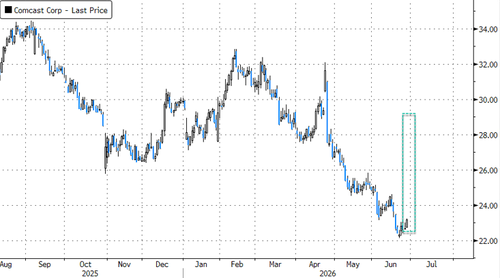
Comcast Shares Jump Most Since 2008 On Plans To Separate Units


