Oracle (ORCL) Stock Plunges 19% in Worst Weekly Decline Since Dot-Com Era
Key Takeaways
- Oracle shares plummeted 19% over the past week — the most severe weekly decline since August 2001
- The company’s market valuation has dropped approximately 55% from its September peak near $900 billion
- Capital spending exploded 162% to almost $56 billion during fiscal 2026
- The company’s debt load reached approximately $130 billion by late May, accompanied by nearly $24 billion in negative free cash flow
- Despite the selloff, 71% of Wall Street analysts maintain Buy ratings — a 15-year high
Oracle has just endured its most punishing week on the stock market in a quarter century. Shares tumbled 19% over five straight trading sessions, with daily losses exceeding 2.6% each day. The last time the enterprise software giant experienced such a devastating stretch was during August 2001, amid the dot-com bubble collapse.
Oracle Corporation, ORCL
The recent downturn represents more than just a bad week. Oracle’s market capitalization has contracted by roughly 55% since reaching approximately $900 billion last September.
Both the extended decline and this week’s brutal selloff share a common culprit: the escalating expenses tied to Oracle’s artificial intelligence strategy.
Oracle has committed heavily to AI infrastructure development, particularly through its involvement with OpenAI as part of the Stargate initiative. Constructing this infrastructure demands massive capital investment — and currently, shareholders are paying a hefty price.
Financial Metrics Paint a Concerning Picture
As of May’s conclusion, Oracle’s outstanding debt stood at roughly $130 billion. The company’s capital expenditure soared 162% during fiscal year 2026, hitting close to $56 billion.
Free cash flow registered at nearly negative $24 billion for the fiscal year.
To continue financing its infrastructure expansion, Oracle intends to secure an additional $40 billion in fiscal 2027 through combined debt and equity offerings. This follows the previous year’s $43 billion in debt issuance plus $5 billion raised through equity sales.
The fundamental challenge is clear: Oracle finds itself competing against Amazon, Microsoft, and Google in the race to construct AI data center capabilities — yet unlike these rivals, it cannot offer a comprehensive technology ecosystem. This constraint puts pressure on margins for what amounts to an extraordinarily expensive gamble.
Analyst Community Remains Largely Optimistic
Remarkably, analyst confidence hasn’t wavered despite the sharp decline. FactSet data shows 71% of ORCL analysts maintain Buy ratings — representing the strongest bullish sentiment in 15 years. The overall consensus stands at Strong Buy, reflecting 28 Buy recommendations, five Hold ratings, and zero Sell calls over the most recent three-month period.
The mean price target stands at $263.86, suggesting potential upside exceeding 77% from present levels.
Evercore, which holds a Buy rating on the stock, explained the situation in Wednesday’s research note: “We expect financing/leverage and the pace of equity issuance to remain the central investor debate near term, even as demand signals stay strong.”
This disconnect between professional analyst optimism and actual market performance represents the key narrative entering the following week.
As a footnote, Oracle co-founder Larry Ellison has also dropped several spots on global wealth rankings this week, falling behind Google’s co-founders, Jeff Bezos, and Michael Dell.
The post Oracle (ORCL) Stock Plunges 19% in Worst Weekly Decline Since Dot-Com Era appeared first on Blockonomi.
You May Also Like

What Makes the Best Bitcoin App in the USA? A Beginner’s Guide for 2026

SpaceX Set to Join Nasdaq-100 in One of the Fastest Index Additions Ever
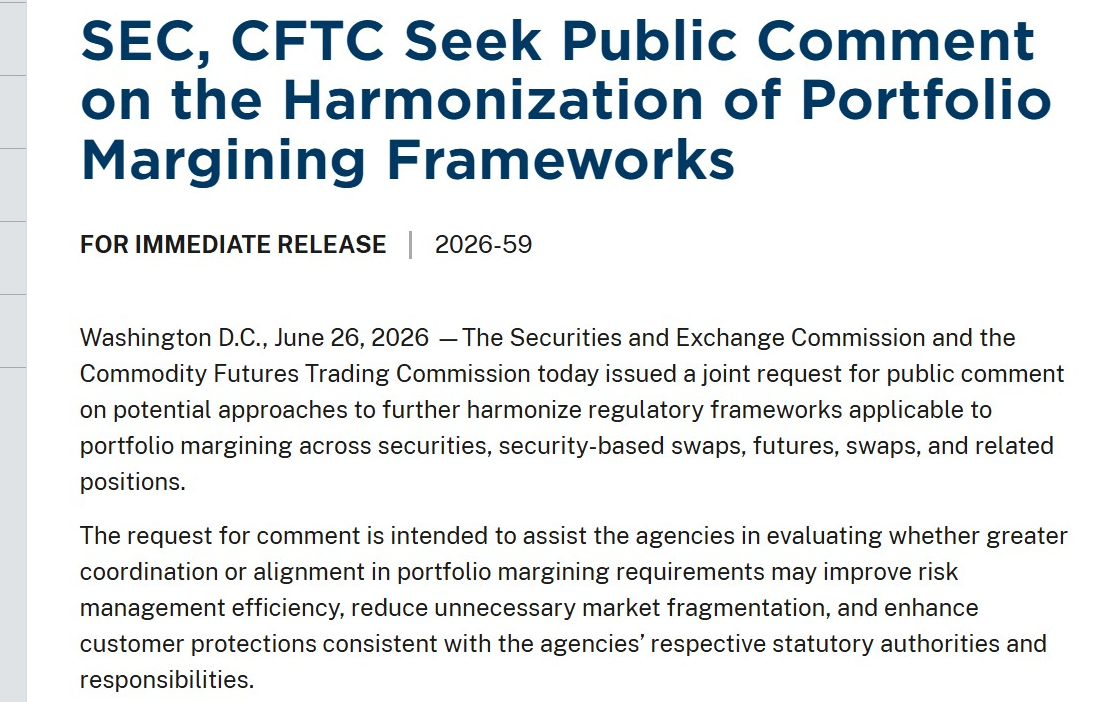
Crypto News: SEC and CFTC Seek Public Input on Crypto Derivatives Rules