

The Dividend Portfolio That Starts Like A Honda And Ends Like A Ferrari
The post The Dividend Portfolio That Starts Like A Honda And Ends Like A Ferrari appeared first on 24/7 Wall St..
- Starting with the highest dividend yield feels smart, but Procter & Gamble (PG) and its peers prove slow-growth dividends crush high-yield income by retirement's end.
- Most retirees never run the 30-year math: the 'loser' portfolio catches up around year 10 and pays three times more by year 30.
- Dividend growers like Coca-Cola (KO) outrun inflation where high-yield funds don't, turning modest initial payouts into retirement income that keeps its purchasing power.
- Are you ahead, or behind on retirement? SmartAsset's free tool can match you with a financial advisor in minutes to help you answer that today. Each advisor has been carefully vetted, and must act in your best interests. Don't waste another minute; learn more here.
Most retirees shop for dividend portfolios the same way people shop for cars: they focus on what they get today. A portfolio yielding $90,000 a year feels like the retirement equivalent of driving a Ferrari off the lot. Another portfolio paying only $45,000 can look more like a dependable Honda. The mistake is assuming the race ends at the dealership.
A high-yield portfolio that barely grows may still be paying roughly the same amount twenty or thirty years later. Meanwhile, a portfolio built around dividend growth can steadily increase its income year after year. Given enough time, the Honda catches the Ferrari, passes it, and disappears down the highway. That math is the entire case for treating dividend growth as the primary engine of retirement income.
Two portfolios, thirty retirement years
Take the two scenarios above and run the clock forward. Portfolio A is the “maximum income today” plan: high-yield bond funds, mortgage REITs, leveraged covered-call ETFs. Portfolio B is the dividend growth plan: blue-chip raisers that start lower and lift the payout every year.
| Year | Portfolio A income (1% growth) | Portfolio B income (8% growth) |
|---|---|---|
| 1 | $90,000 | $45,000 |
| 10 | about $98,000 | about $90,000 |
| 20 | about $109,000 | about $194,000 |
| 30 | about $120,000 | about $419,000 |
| 30-year total | roughly $3.1 million | roughly $5.1 million |
The crossover happens around year 10. After that, the growth portfolio runs away. Layer in inflation and the contrast gets uglier for the high-starter. At the nearly 4% headline PCE rate posted in April 2026, Portfolio A’s $120,000 in year 30 buys what about $31,000 buys today. Portfolio B’s check still has roughly $143,000 of today’s purchasing power.
Why a small growth rate becomes a giant number
Compounding is what turns the Honda into the Ferrari. A 1% raise on a $90,000 income stream adds just $900. An 8% raise on a $45,000 income stream adds $3,600 in the first year alone. Then the next increase is applied to a larger base, and the process repeats. Eventually, the lower-paying portfolio starts growing by more each year than the high-yield portfolio pays in total increases.
This is not just a spreadsheet exercise. Some of the market’s best dividend growers have produced astonishing increases over time. Lowe’s raised its quarterly dividend from $0.03 in 1999 to $1.20 today. Microsoft increased its quarterly payout from $0.08 in 2003 to $0.91 in 2026. While inflation steadily pushes up the cost of living, dividend growth has often moved even faster. As financial commentator Wes Moss has noted, dividends paid by S&P 500 companies have historically grown faster than inflation, helping investors preserve and expand their purchasing power over time.
Building the Honda that becomes a Ferrari
The conservative end of a dividend growth portfolio is built from companies that have already proven the model. A few worth studying:
- Procter & Gamble (NYSE:PG) yields about 2.9% and just delivered its 70th consecutive annual raise. Total return over the last decade: about 141%.
- Coca-Cola (NYSE:KO) pays around 2.5%. The quarterly dividend has climbed from $0.16 in 1999 to $0.53 today, with the stock returning roughly 145% over ten years.
- Johnson & Johnson (NYSE:JNJ) yields roughly 2.2% and just extended its streak to 64 straight years of increases. Ten-year total return: about 168%.
- Lowe’s (NYSE:LOW) yields roughly 2.2% but is the growth poster child here, with a 244% ten-year return.
- AbbVie (NYSE:ABBV) carries the highest current yield of the group at about 3% and has returned roughly 460% over ten years, with the quarterly payout climbing from $0.40 in 2013 to $1.73 in 2026.
None of these will replace a six-figure income on their own. Owned together, with raises reinvested for the first decade, they behave exactly like Portfolio B.
What to do this quarter
Three actions worth taking before you sign off on a high-yield retirement plan:
- Pull the trailing ten-year dividend history of any fund you own that yields above 9%. If the payout is flat or falling, you are eroding the asset itself.
- Model your own retirement income at two growth rates, 1% and 7%, against a 3% to 4% inflation assumption. The year-15 number is usually where the decision gets made.
- If you are still working, set a rule that any new dividend dollars get reinvested until withdrawals begin. The compounding window is the asset.
The portfolio that looks disappointing at 65 is often the one writing the biggest checks at 85. Judge the income by where it finishes, not where it starts.
If You’ve Been Thinking About Retirement, Pay Attention (sponsor)
Retirement planning doesn’t have to feel overwhelming. The key is finding expert guidance, and SmartAsset’s simple quiz makes it easier than ever for you to connect with a vetted financial advisor. Here’s how:
-
Answer a Few Simple Questions.
-
Get Matched with Vetted Advisors
-
Choose Your Fit
Why wait? Start building the retirement you’ve always dreamed of. Get started today! (sponsor)
The post The Dividend Portfolio That Starts Like A Honda And Ends Like A Ferrari appeared first on 24/7 Wall St..


You May Also Like

Trump Cancels Housing Bill Signing Over CBDC Ban Provision, Demands Voting Legislation First
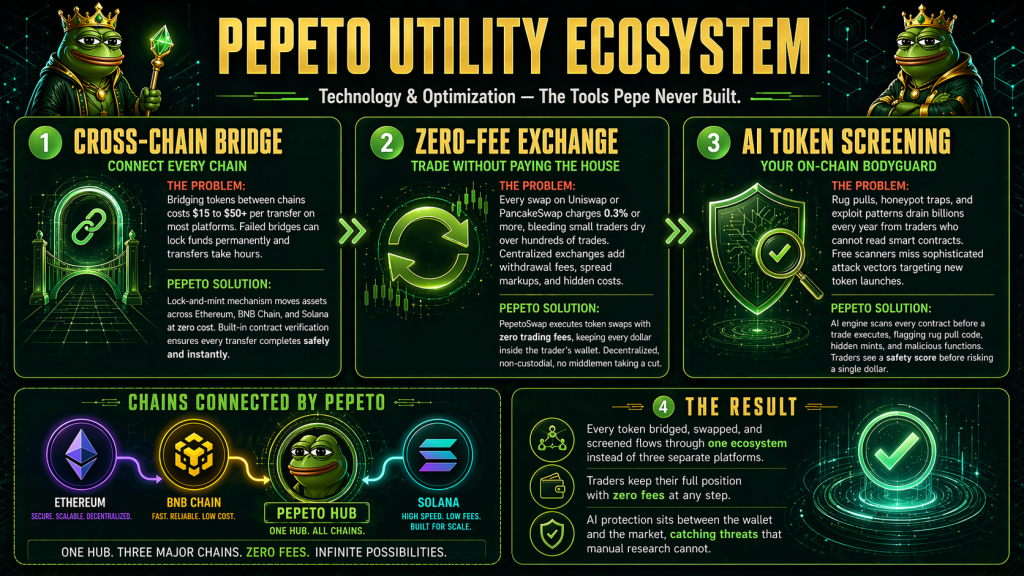
Next Crypto to Explode as Morgan Stanley’s SOL ETF Stuns at 0.14%, While Pepeto Targets 100x Before the Binance Listing Opens

Demand & Convert Deploys Proprietary Web Architecture to Help Local Trades Escape Shared Lead Model



