

[Kasalikasan] The earthquake that shook Mindanao — and what disaster reporting entails
This month marks one year since we started this newsletter, so, happy one year, dear readers! I remember racking my brain (and badgering my busy colleagues) for a newsletter name a year ago, only to end up with one that we’ve already had for years. More on that story in this very first Kasalikasan newsletter.
As I write this, it’s been two weeks to the day since a magnitude 7.8 earthquake struck off the coast of Sarangani province on June 8. It’s the strongest earthquake the country has seen since the deadly 1990 Luzon tremor, with the latest quake leaving at least 77 dead in its wake. (TIMELINE: Most destructive earthquakes to hit the Philippines since 1990)
We’ve been here before. Just eight months ago, we had the twin earthquakes in Davao Oriental, then a week before that, the magnitude 6.9 Cebu earthquake.
As a newsroom, as soon as a major earthquake hits, we go almost on autopilot in terms of which initial stories to pursue: How strong was the earthquake? Which sectors bore the brunt? What were the immediate needs on the ground, and how can people help the affected communities?
We also try to make sense of the science involved: What triggered the earthquake? What’s a coastal uplift, and what does it mean for the locals already reeling in the quake’s aftermath?
And once the dust settles, we make that decision every newsroom faces every time a disaster hits: Who do we send to cover on the ground?
For the Mindanao earthquake, we sent someone who’s covered a major earthquake before and speaks Bisaya (John Sitchon), and someone whose beat overlaps with the emerging challenges on the ground (Jelo Mantaring).
The resulting coverage is a closer look (micro) at issues of internal displacement and loss of livelihood in General Santos City and Glan, Sarangani, the worst-hit areas…
- Many still in General Santos makeshift shelters a week after quake
- Quake-stricken GenSan farmers mourn lost homes, buried crops
- Rappler Recap: Thousands need housing aid in quake-hit Glan, Sarangani
- Mindanao earthquake leaves villages in ruins in ‘tour town’ Glan, Sarangani
- How does coastal uplift affect livelihood in Glan, Sarangani?
- Sarangani fisherfolk worry for their livelihood after coastal uplift
…and a wider look (macro) into some of our most persistent problems, such as the structural integrity of buildings in the Philippines, and the challenges that recovering communities face, especially in a country where disasters have become a normal part of our lives.
- After Pampanga and Sarangani, what’s needed to make buildings resilient?
- Rebuilding from scratch: Soccsksargen’s road to recovery in quake’s aftermath
At a time when even artificial intelligence has joined the competition for our attention spans, the challenge for every disaster reporting is to go beyond the numbers being reported in government bulletins; it must contribute to improving policy, government action, and how resources are allocated so that communities can better prepare for, adapt to, and recover from the next disaster.
The Mindanao earthquake will be a continuing story of 2026. Help us keep telling these kinds of stories by supporting our journalism through Rappler+.
Till the Tuesday after next!
Here are other stories from our cluster that you shouldn’t miss:

Carpio: PH must protest China’s no high seas claim in South China Sea
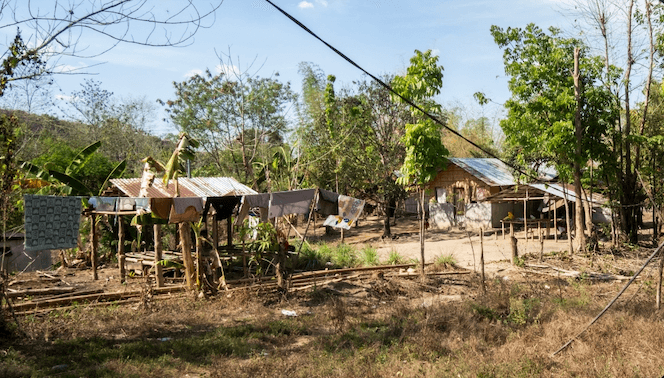
‘Bago pumutok ang Pinatubo, walang Aeta na nanglilimos’

Scientists identify 64,000 square miles of coral reef capable of surviving climate crisis

Trust between PH gov’t, MILF crucial for exit agreement in BARMM — women peacemakers


You May Also Like
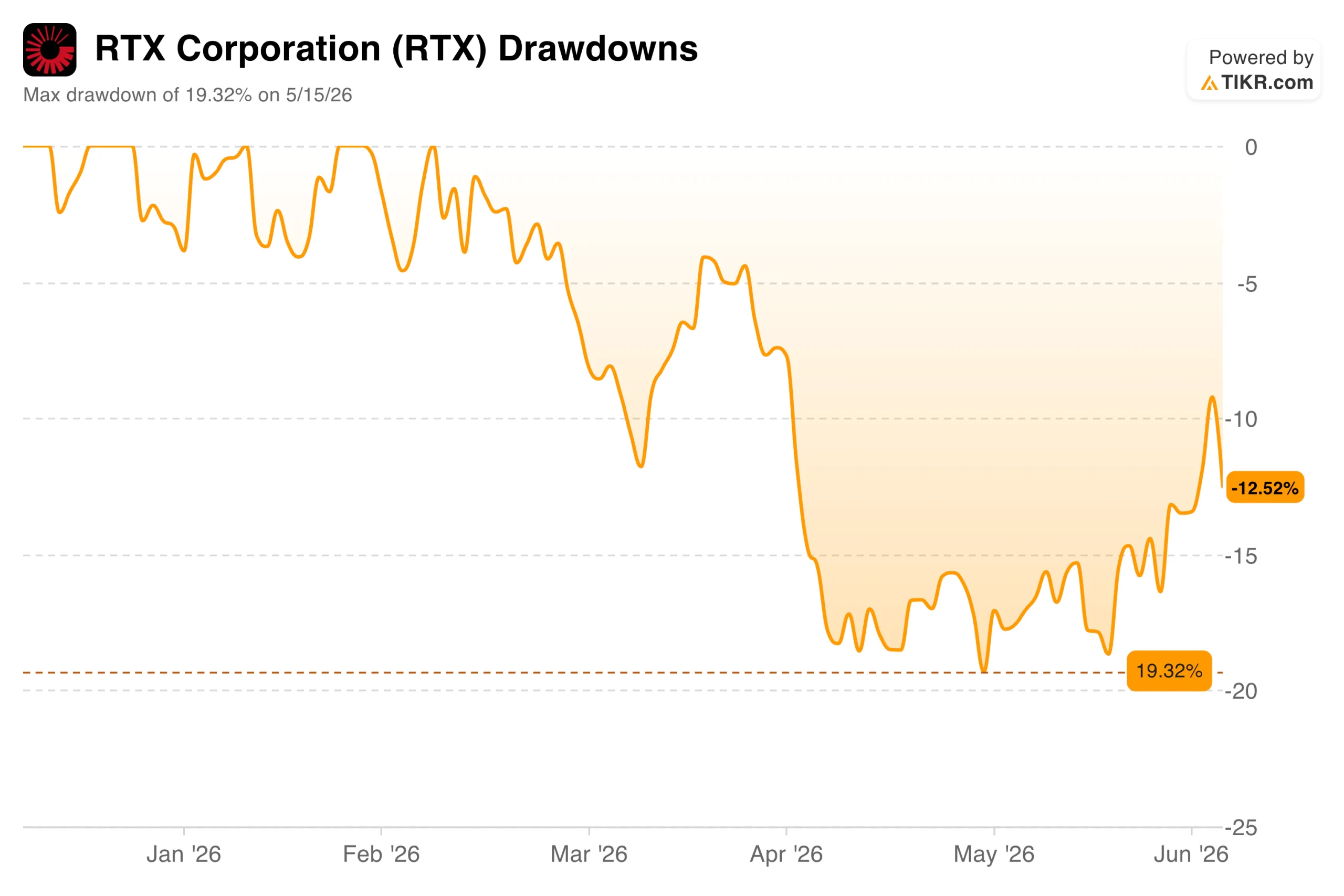
RTX Stock Has a $271 Billion Backlog and a 19% Drawdown. Does the Defense Supercycle Justify Buying at $186?

European Union’s ESMA Orders Unlicensed Crypto Firms to Exit EU Market as MiCA Deadline Arrives

Hamster Kombat Daily Cipher 24 June 2026: Play And Win



