

Oil Prices Supported by Escalating Iran Conflict, Says Danske Bank
BitcoinWorld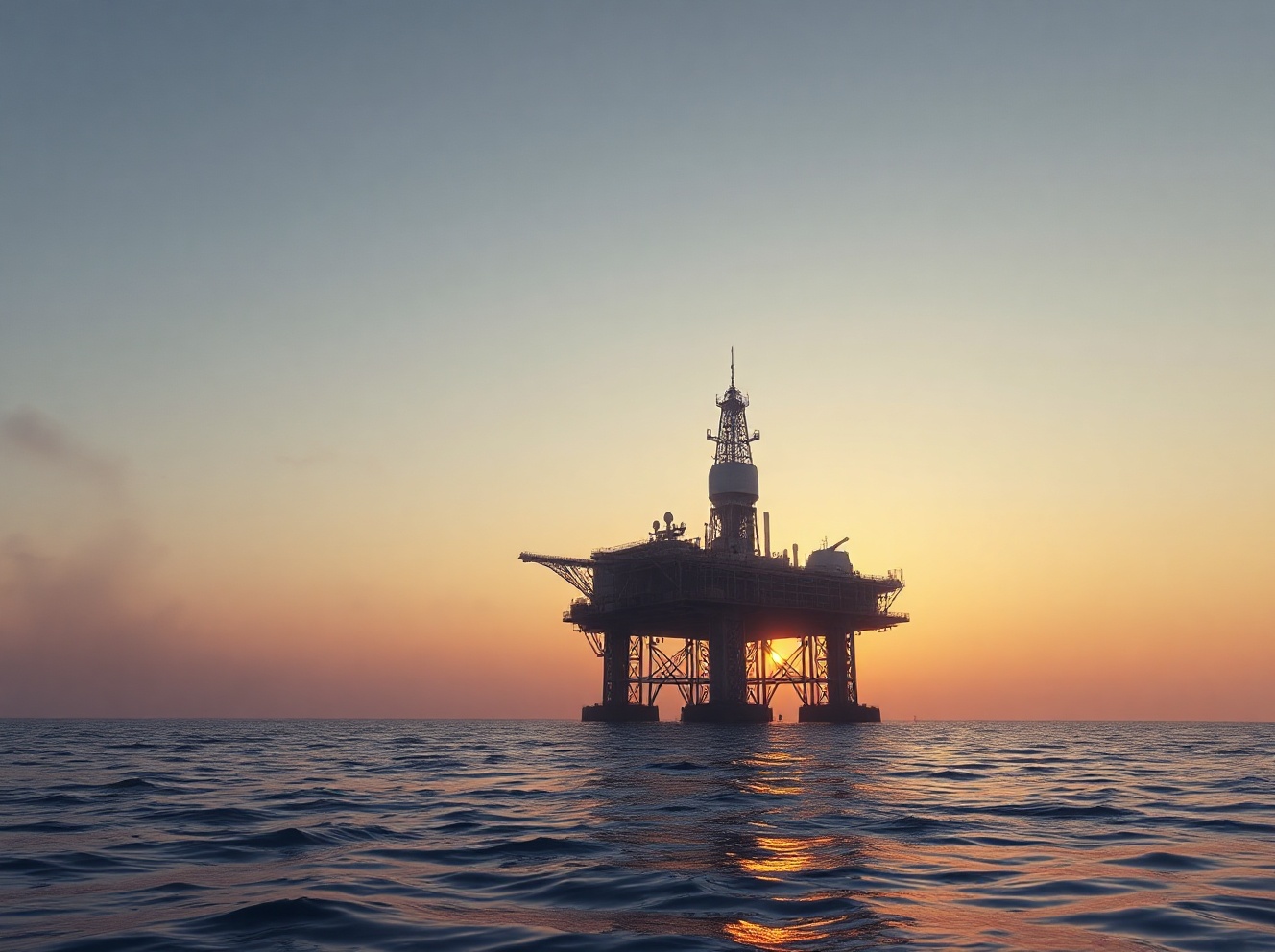
Oil Prices Supported by Escalating Iran Conflict, Says Danske Bank
Danske Bank analysts have highlighted that oil prices are finding support from the escalating conflict involving Iran, adding a fresh layer of geopolitical risk to global energy markets. The assessment comes as tensions in the Middle East continue to simmer, raising concerns about potential supply disruptions from one of the world’s key oil-producing regions.
Geopolitical Premium Returns to Oil Markets
The conflict escalation has reintroduced a geopolitical risk premium into crude oil pricing, according to Danske Bank’s research note. While the bank did not specify a precise price target, the analysis underscores that any direct threat to Iranian oil exports or regional transit chokepoints—such as the Strait of Hormuz—could tighten global supply balances significantly. Iran is a major OPEC producer, and even the perception of disruption can influence trader sentiment and futures pricing.
Broader Market Context
This development arrives at a time when oil markets were already grappling with demand uncertainty, OPEC+ production decisions, and shifting macroeconomic signals. Danske Bank’s view adds a cautious tone for investors watching crude benchmarks. The bank’s analysts noted that while a full-blown regional conflict remains a tail risk, the current environment justifies a higher risk premium than what was priced in just weeks ago. Other market observers have echoed similar concerns, pointing to the potential for supply chain disruptions beyond crude itself, including refined products and natural gas.
Implications for Investors and Consumers
For investors, the Iran-linked risk premium means oil-related assets could see increased volatility. For consumers, sustained higher oil prices may eventually feed into gasoline and heating costs, adding to inflationary pressures that central banks are trying to manage. Danske Bank’s analysis serves as a reminder that geopolitical events remain a powerful, unpredictable driver of energy prices, capable of overriding fundamental supply-demand calculations in the short term.
Conclusion
Danske Bank’s assessment that oil prices are supported by the Iran conflict escalation reflects a realistic appraisal of current geopolitical risks. While the exact trajectory of prices depends on many factors, including diplomatic developments and OPEC+ responses, the market is clearly pricing in a higher degree of uncertainty. Investors and consumers alike should remain attentive to further escalations or de-escalations that could shift the oil price landscape quickly.
FAQs
Q1: How does the Iran conflict directly affect oil prices?
Iran is a significant oil producer, and conflict escalation raises the risk of supply disruptions, either through direct damage to production facilities or through threats to shipping routes like the Strait of Hormuz. This uncertainty leads traders to demand a higher risk premium, pushing prices up.
Q2: What is Danske Bank’s specific oil price forecast?
Danske Bank’s recent commentary focused on the direction of price support from geopolitical risks rather than providing a specific price target. The bank emphasized that the conflict adds upward pressure but did not issue a formal forecast change in the cited analysis.
Q3: Could the conflict lead to sustained high oil prices?
Sustained high prices depend on whether the conflict escalates into actual supply disruptions and how OPEC+ responds. If the situation remains a contained risk, the premium may fade. However, prolonged tensions could keep prices elevated until a clear resolution emerges.
This post Oil Prices Supported by Escalating Iran Conflict, Says Danske Bank first appeared on BitcoinWorld.


You May Also Like

Franklin Templeton CEO Dismisses 50bps Rate Cut Ahead FOMC
Santiment: Peace Talk Optimism Surges as Stocks Rally, Crypto Yet to Catch Up

Square Financial Services Introduces 3.50% APY High Yield Savings for Square Sellers, More Than 8 Times the National Average



