

BoJ’s Ueda Affirms Close Coordination with Government on Policy
BitcoinWorld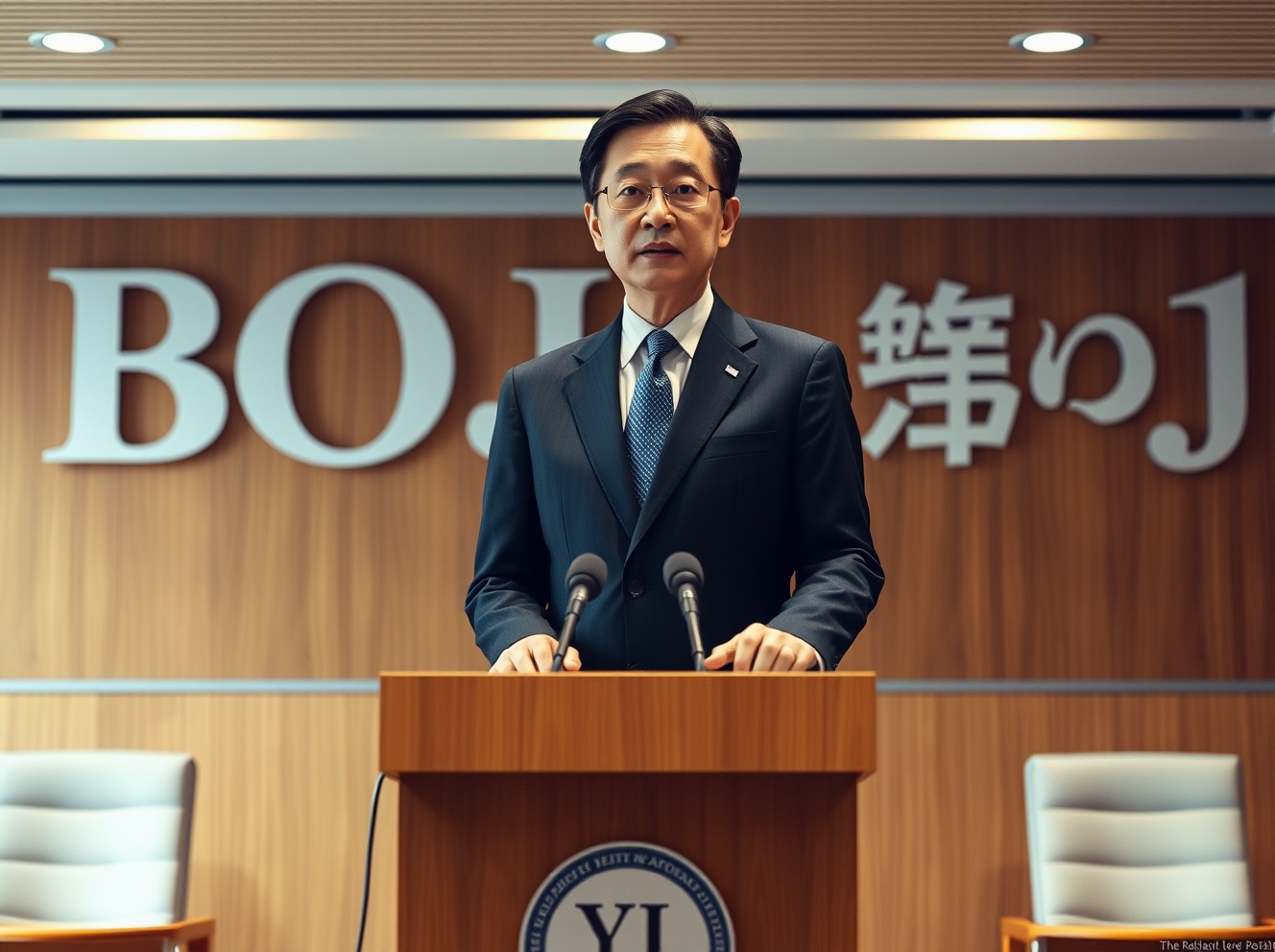
BoJ’s Ueda Affirms Close Coordination with Government on Policy
Bank of Japan Governor Kazuo Ueda confirmed on Tuesday that the central bank and the government have agreed to continue close coordination, reinforcing a unified approach to monetary policy amid shifting economic conditions. The statement, delivered during a regular briefing, signals ongoing alignment between fiscal and monetary authorities as Japan navigates inflationary pressures and global market volatility.
Background of the Agreement
The coordination between the BOJ and the Japanese government has been a cornerstone of economic policy since the introduction of aggressive monetary easing under former Governor Haruhiko Kuroda. Ueda’s remarks reaffirm that this partnership remains intact, even as the BOJ gradually adjusts its yield curve control framework. The agreement covers information sharing, policy timing, and communication strategies to avoid market disruptions.
Implications for Monetary Policy
Ueda’s statement comes at a critical juncture. Japan’s core inflation has remained above the BOJ’s 2% target for over a year, prompting speculation about further policy normalization. Close coordination with the government ensures that any rate adjustments are supported by fiscal measures, such as energy subsidies or cash handouts, to cushion the impact on households and businesses. Analysts view this as a stabilizing signal for both domestic and international investors.
Market Reaction and Outlook
Following Ueda’s comments, the yen held steady against the U.S. dollar, while Japanese government bond yields remained range-bound. Traders interpreted the remarks as a commitment to predictable policy, reducing short-term volatility. Looking ahead, the BOJ’s next policy meeting in April will be closely watched for any changes to forward guidance or the pace of bond purchases.
Conclusion
Governor Ueda’s reaffirmation of BOJ-government coordination underscores a deliberate and transparent approach to monetary policy. For market participants and the broader public, the message is clear: Japan’s central bank and government are working in tandem to manage economic challenges without abrupt shifts. This consistency supports long-term confidence in the yen and Japanese assets.
FAQs
Q1: What does ‘close coordination’ between the BOJ and government mean in practice?
It means regular consultations between the central bank and the Ministry of Finance on economic conditions, policy timing, and communication. This helps avoid conflicting signals that could unsettle markets.
Q2: Why is this coordination important for the average Japanese citizen?
Coordinated policy ensures that any interest rate changes are paired with fiscal support, such as subsidies or tax measures, reducing the direct impact on household budgets and borrowing costs.
Q3: Could this coordination lead to faster interest rate hikes?
Not necessarily. Coordination is about alignment, not acceleration. The BOJ remains data-dependent, and any rate move will be gradual and carefully communicated to avoid market shock.
This post BoJ’s Ueda Affirms Close Coordination with Government on Policy first appeared on BitcoinWorld.


You May Also Like

Over 50,000 South Koreans Sign Petition to Block 2027 Crypto Tax

Bitcoin Price To $80,000: How The February Bullish Trend Can Push It 20% Higher

Ark Invest Adds Another $5M to Bullish Stake, Deepening Crypto Exchange Bet



