

Bolt introduces 6% fare hike in Kenya to cushion drivers against fuel cost
Leading ride-share company, Bolt, has introduced a 6 per cent fare increase in Kenya. This was disclosed by the company’s Senior General Manager of Rides in East Africa, Dimmy Kanyankole. According to him, the increase is aimed at providing a cushion for drivers against rising fuel costs.
See also: Fuel price hike: Nigerian drivers groan as Uber, others raise fares in Australia, New Zealand
Mr Kanyankole also noted that the decision to increase fares comes after sustained feedback from drivers who have raised concerns over increasing operational expenses. He said the company has been engaging drivers and industry stakeholders to better understand their challenges and strike a balance between driver earnings and rider demand.
“Our driver partners are at the heart of our platform, and their ability to earn sustainably is critical to the entire ecosystem. This fare adjustment responds to their concerns, particularly around fuel prices, while ensuring our service remains accessible and dependable,” he said.
 Bolt
Bolt
The Senior General Manager noted that the 6 per cent increase was carefully modelled against rider price sensitivity, with internal data suggesting the adjustment will not significantly impact demand or trip volumes.
He also argued that Bolt’s pricing remains among the most competitive in the market, and the fare increase only emphasises this. He also pointed out that better driver earnings could translate into improved service delivery, including shorter wait times and more consistent ride availability.
This is coming barely six months after Kenyan authorities ordered ride-hailing companies to effect a 50 per cent increase in fares.
Bolt Kenya’s fare hike comes amid global push
As fuel prices continue to climb internationally owing to the US/Iran conflict, businesses that depend on the commodity for productivity have increased their product prices. This is no different for e-hailing companies like Uber, Bolt, DiDi, and others, whose drivers rely heavily on fuel to complete rides.
Around the world, ride-hailing companies are raising fares. In Australia, Uber announced that it will increase prices by six per cent to help drivers cushion the effects of the global fuel price hike.
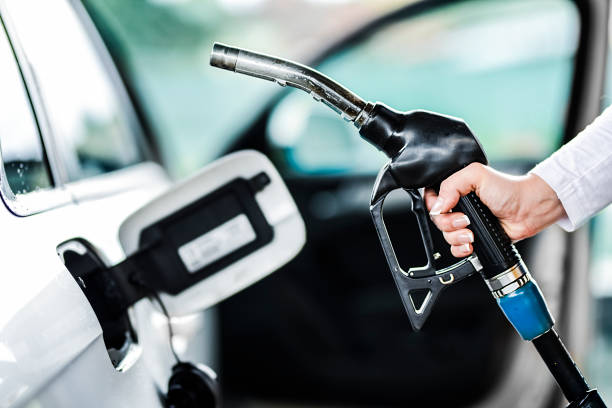 Woman pumping petrol into a vehicle.
An Uber spokesperson told Australian media that this was part of a regular fare review, which the company carries out to ensure it strikes the right balance between drivers’ earnings and affordable rides.
The company also stated that the surcharge will not be temporary, and even if the cost of fuel were to drop, the price would not decrease accordingly.
In New Zealand, where ride-hailing drivers are paying as much as $100 extra a week for petrol just to remain on the road, DiDi has increased its charges, adding a surcharge of five cent per kilometre to the fare payable by passengers. The new surcharge, which comes into effect today, March 25, will be paid in full to drivers without any service fee deductions.
The platform has also been providing eligible drivers with a financial bonus of up to $40 a week before the surcharge comes into effect to help them cushion against rising fuel costs.
In Nigeria, fuel cost has risen to N1350 per litre, a nearly 60 per cent increase in the most important operational cost for drivers. Yet the app companies refused to increase prices. This prompted drivers in Lagos, under the Amalgamated Union of App-based Transporters of Nigeria (AUATON), to embark on a strike across major cities like Lagos, Port Harcourt and Benin.
 Drivers protest in Lagos
Despite all of this, there are no positive responses from the apps, and price fares remain the same. Uber said it was seeking dialogue with drivers, even though the drivers said there was no attempt to reach them.
On its part, Bolt said it was monitoring the fuel cost situation and was going to introduce “targeted measures” to help drivers cope with the rising fuel costs.


You May Also Like

EUR/GBP Exchange Rate Surges as Bank of England Rate Hike Expectations Intensify – Market Analysis

Robotics Automation Prototyping: Engineering Kinetic Agility into End-Effectors




