

Despite improvement, only 49% of women still own a smartphone in Nigeria. Here’s why
Smartphone adoption in Nigeria has increased steadily in recent years, fueled by tech innovations and the bulk digitalisation of economic activities. However, the gender gap persists, revealing the continued unbalanced trend in society.
According to the GSMA “The Mobile Gender Gap Report 2025”, only 49% of Nigerian women own a smartphone in 2025. Compared to men at 59%, the gender gap in terms of ownership stood at 18%.
In terms of mobile internet adoption, the gap stood at 28%, with women holding 42% compared to men at 56%. This showed that even when women possess smartphones, their internet usage or adoption is lower compared to men.
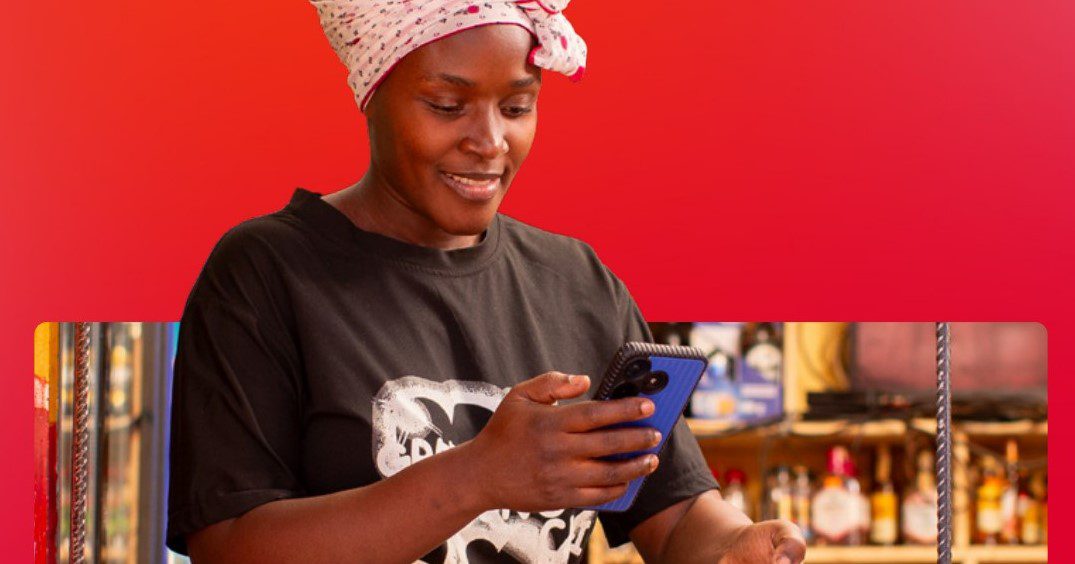
The usage pattern is actually true, particularly for the most underserved women. It also includes those with low literacy levels and low incomes, and those who live in rural areas or have a disability, further adding to the context of how women are less likely to use these services as much as men.
Possessing a smartphone or accessing the internet is now becoming a necessary part of daily life. To be informed, connect with loved ones, and have access to the digital economy, e-commerce and mobile services, mobile phones are life-changing resources.
The gap shows how Nigerian society is still short of achieving equality and access to necessary needs to transform lives. This makes addressing the mobile gender gap significant for social and commercial benefits to individuals, societies and economies.
Connectivity is integral to achieving national goals, bridging literacy gaps and fueling the digital economy, and it involves including both men and women. Addressing gender gaps in smartphone adoption and internet usage will help women, especially those in rural areas, benefit from digital technologies the same way as men.
Same story outside Nigeria
In 2025, more than 3.2 billion people in low- and middle-income countries (LMICs) accessed the internet using a mobile phone. However, the share of women in the figure is still lower than that of men. In LMICs, only 64% of women own a smartphone, and 55% use mobile internet.
Although there has been improvement compared to previous years. According to the GSMA report, the gender gap decreased slightly to 12% in 2025, a reduction that shows the slow narrowing of the gender gap since 2022.
Between 2017 and 2020, the gender gap in mobile internet adoption narrowed substantially from 25% to 16%. While the COVID-19 pandemic and associated lockdowns brought many people online for the first time, it also led to long-lasting economic crises.
However, the smartphone adoption gap rose to 18% in 2022. Since then, there has been a gradual narrowing of the gender gap. While this keeps on reducing gradually, it shows that women are adopting mobile phones at a slightly faster rate than men.
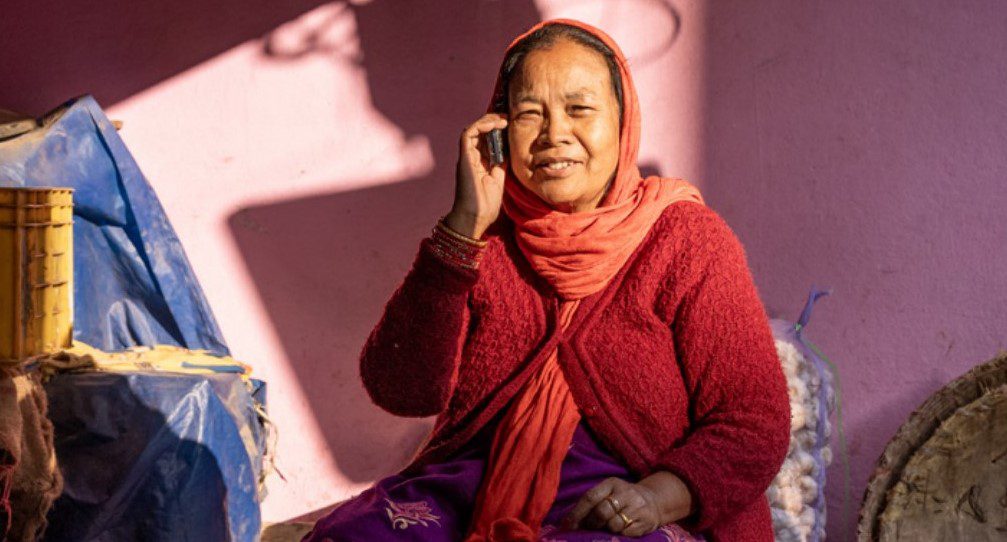 Smartphone adoption in women
In addition, the reduced gap is reportedly fueled by Sub-Saharan Africa and South Asia. In the former, the gender gap decreased from 30% in 2024 to 26% in 2025, a positive trend that has continued for the past two years. In South Asia, it decreased from 33% in 2024 to 25% in 2025.
But the gap is still there. About 230 million and 330 million women in Sub-Saharan Africa and South Asia are without mobile internet access. While most have a smartphone, the ability to access the internet is still an issue.
In addition, over 849 million women in developing countries globally are without a mobile device, and women in these regions are 14% less likely to own a phone compared to men. This limits women’s ability to access mobile internet services and enjoy the gains of tech innovations.
Also Read: Coverage gap: Only 30% of 5G-enabled smartphones connects to 5G network in Nigeria.
Smartphone awareness is not adoption
In addressing the gender gap, creating awareness for smartphone adoption among women should not be misinterpreted as a guarantee for adoption. The former doesn’t always lead to the latter.
In fact, a wide gap exists between the two, especially for women. The report noted that awareness of mobile internet usage is high and remains almost equal among men and women in most developing countries, yet gender gaps still persist.
Between the period of awareness and adoption lies several issues that still make up a percentage of the gender gap.
The first is income. The gap starts with income levels, which are present in developing countries. Women also tend to experience this barrier more acutely due to social norms and structural inequalities, such as lower education and income. At some point, the fact that men engage in multi-jobs with women is a consideration.
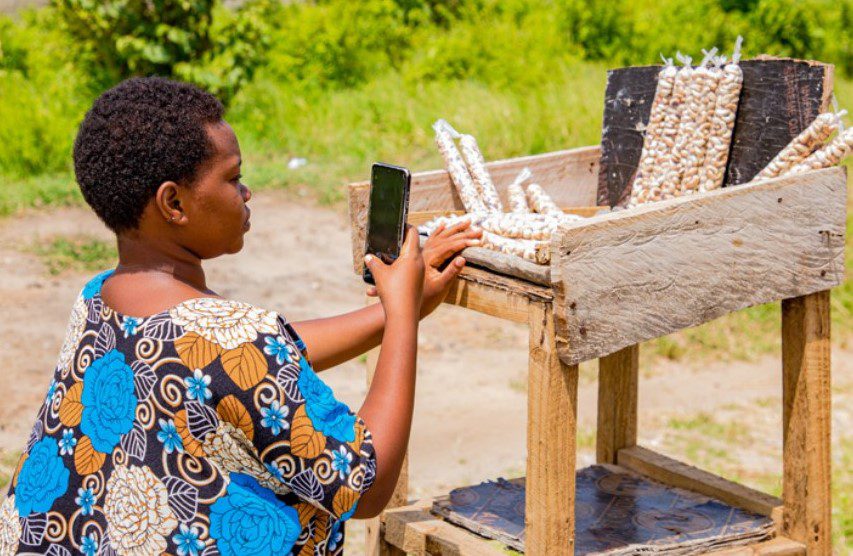 Smartphone adoption in women
Another is literacy level. One of the leading barriers that drives smartphone affordability doubts in women is the absence of literacy and digital skills. In some settings where cultures are well-grounded, girl-children have less chance of educational access compared to boy-children.
The third is usage length. A 2025 survey carried out by GSMA revealed that more men access the internet on a daily basis than women. Compared to males, female mobile internet users still tend to use a narrower range on a daily and weekly basis. However, a common use case for both men and women is related to communication and entertainment.
Also, there is insecurity. Most women feel that smartphones are an element that makes an individual susceptible to robbery attacks or a target for street thieves. With a high rate of insecurity in most developing countries, safety concerns tend to be reported by both men and women, but more by the latter.
More than a smartphone
Still, mobile phone usage and internet access possess the ability to strengthen women’s resilience in the face of economic, climate and shocks. It’s that element that closes the inferiority gap and opens equal access to economic opportunities.
Internet access is that light for women. The survey noted that when women use mobile internet, most believe it has a positive impact on their lives and to a similar degree as men.

Bridging the gender gap in smartphone adoption is projected to add about $230 billion in additional revenue to the mobile industry by 2030, according to GSMA.
Likewise, closing the gap in mobile internet adoption in developing countries would add $1.3 trillion in additional gross domestic product (GDP) over this period.


추천 콘텐츠
Western Digital Jumps 7% on Morgan Stanley’s 33% Price-Target Hike, Seagate Gains 5% as the AI Storage Boom Rolls On

'Why even bother?' Trump stuns after casually folding on 'his main justification' for war

Uphold’s Massive 1.59 Billion XRP Holdings Shocks Community, CEO Reveals The Real Owners


인기 뉴스
더보기
