

Euro Under Pressure: Rabobank Highlights EU-China Trade and Accession Politics as Key Drivers
BitcoinWorld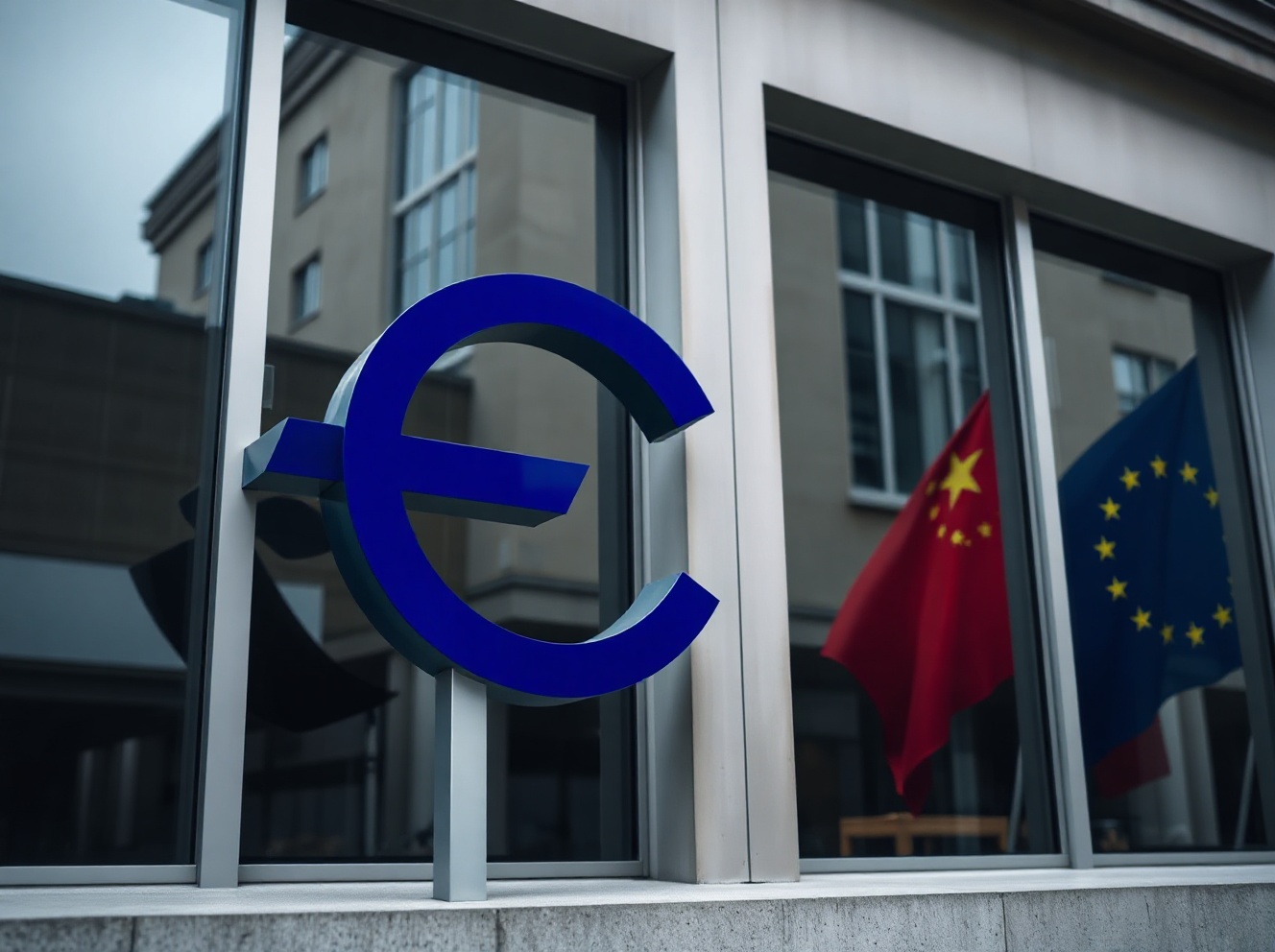
Euro Under Pressure: Rabobank Highlights EU-China Trade and Accession Politics as Key Drivers
The euro’s trajectory is increasingly being shaped by the interplay between EU-China trade dynamics and the bloc’s internal accession politics, according to a recent analysis from Rabobank. The Dutch financial institution’s assessment comes as currency markets weigh the potential for renewed trade friction between Brussels and Beijing, alongside the ongoing political implications of EU enlargement discussions.
Trade Tensions Resurface as a Key Variable
Rabobank’s forex strategy team points to the delicate balance of EU-China economic relations as a primary factor influencing the euro’s valuation. With the European Commission having recently concluded anti-subsidy investigations into Chinese electric vehicles, and Beijing retaliating with probes into European brandy and pork imports, the risk of a tit-for-tat escalation is rising. Analysts note that a full-blown trade dispute would weigh heavily on the euro, given the EU’s export exposure to the Chinese market, which accounted for roughly €223 billion in goods in 2023.
The timing is critical. The euro has already been under pressure from a strengthening US dollar and a cautious European Central Bank. Any further deterioration in EU-China commercial ties could accelerate capital outflows from the region, undermining the single currency’s support levels.
Accession Politics Adds a Layer of Uncertainty
Beyond trade, Rabobank highlights the often-overlooked impact of EU accession politics on the euro. The ongoing negotiations with Ukraine, Moldova, and Western Balkan nations are not merely diplomatic exercises — they carry tangible economic and fiscal implications. The prospect of integrating large, lower-income economies into the EU’s single market raises questions about future budget transfers, structural fund allocations, and the long-term stability of the eurozone’s economic governance.
While full accession remains years away, the political signals from Brussels and member states can influence investor sentiment. A perceived acceleration of enlargement without clear fiscal safeguards could unsettle bond markets in core eurozone countries, indirectly pressuring the euro. Conversely, a stalled or overly cautious approach might be seen as a lack of strategic vision, also weighing on confidence.
Market Implications and the Road Ahead
For currency traders, the Rabobank analysis suggests that the euro’s fate is not solely tied to ECB policy or US interest rate differentials. Geopolitical and institutional factors — specifically trade relations with China and the pace of EU enlargement — are becoming increasingly relevant. The bank’s strategists advise clients to monitor trade policy announcements from both Brussels and Beijing, as well as any significant developments in EU accession talks, as potential catalysts for euro volatility.
The immediate outlook remains cautious. With the euro trading near multi-month lows against the dollar, the market is pricing in a defensive stance. A de-escalation in trade rhetoric or a clear, credible roadmap for enlargement could provide a much-needed lift. However, the current trajectory suggests headwinds are likely to persist.
Conclusion
Rabobank’s focus on EU-China trade and accession politics underscores a broader reality: the euro is increasingly sensitive to non-monetary factors. As the bloc navigates both external commercial pressures and internal institutional evolution, currency markets will need to broaden their analytical frameworks. For now, the euro remains caught between geopolitical uncertainty and the search for a stable policy anchor.
FAQs
Q1: Why does EU-China trade matter for the euro?
The EU and China are major trading partners. A trade dispute can reduce European exports, slow economic growth, and reduce foreign demand for euro-denominated assets, all of which can weaken the currency.
Q2: How does EU accession politics affect the euro?
Enlargement discussions can influence investor confidence in the EU’s fiscal stability and governance. Concerns about the cost of integrating new members or political uncertainty can lead to capital outflows and euro depreciation.
Q3: What is Rabobank’s overall outlook for the euro?
Rabobank highlights downside risks from trade tensions and political factors, suggesting the euro may remain under pressure in the near term unless there is a clear de-escalation or positive institutional development.
This post Euro Under Pressure: Rabobank Highlights EU-China Trade and Accession Politics as Key Drivers first appeared on BitcoinWorld.


추천 콘텐츠

GOF officers seize 8,800 pieces of batik cloth worth RM1.76mil in Tumpat

NeuroOne Expected to Join Russell Microcap Index, Boosting Visibility Among Investors

Mixin Launches Mixin Cash Bank Accounts, Simplifying Fund Movement Between Traditional Banking and Stablecoins


인기 뉴스
더보기
