

How to Select a YNE Trading Platform with Low Fees

Introduction to Trading Fee Structures for YNE
When trading YNE or any cryptocurrency, fees can significantly impact your overall returns, especially for active traders who make frequent transactions. While many investors focus primarily on price movements and platform features, overlooking trading fees can silently erode your profits over time. For example, a seemingly small difference of 0.1% between platforms can result in hundreds or even thousands of dollars in additional costs for high-volume traders over the course of a year when trading yesnoerror (YNE).
Trading platforms charge several different types of fees when trading YNE. These typically include trading fees (ranging from 0.1% to 0.5% on most major exchanges), deposit fees (which vary by payment method and currency), withdrawal fees (which often incorporate blockchain network fees), and network fees (which fluctuate based on blockchain congestion). Understanding these fee structures is essential for optimizing your trading strategy and maximizing returns on your yesnoerror investments.
Understanding YNE Trading Platform Fee Structures
Most cryptocurrency exchanges, including those where you can trade yesnoerror (YNE), employ a maker-taker model to encourage liquidity provision. Under this model, makers (traders who add orders to the order book) pay maker fees, which are typically lower than taker fees charged to takers (traders who remove liquidity by matching existing orders). For instance, when trading YNE, you might pay a 0.1% maker fee versus a 0.2% taker fee, incentivizing you to place limit orders rather than market orders.
Platform tokens like MX Token on MEXC offer significant advantages for yesnoerror traders looking to reduce costs. By holding, staking, or paying fees with these native tokens, users can enjoy fee discounts of up to 40% on some platforms. Additionally, many exchanges implement tiered fee systems where your 30-day trading volume determines your fee tier, potentially reducing your YNE trading fees from 0.2% to as low as 0.02% for high-volume traders.
Hidden Costs When Trading YNE
Beyond the advertised fee structures, yesnoerror traders should be aware of hidden costs that can significantly impact overall profitability. Spread costs—the difference between the highest bid and lowest ask price—can be particularly impactful when trading YNE pairs with lower liquidity, sometimes adding an effective 0.1-0.5% cost per trade. Similarly, slippage occurs when larger orders move the market while being filled, resulting in execution at less favorable prices than expected.
Many traders overlook currency conversion fees when depositing fiat currencies to purchase yesnoerror (YNE). These can range from 1-3% on some platforms, substantially higher than the trading fees themselves. Additionally, some exchanges impose inactivity fees of approximately $10-25 monthly if an account remains dormant for 6-12 months, and withdrawal minimums may force smaller investors to maintain balances on platforms longer than desired. Always check the complete fee schedule before selecting a platform for trading YNE.
Comparing Low-Fee Platforms for YNE Trading
When comparing platforms for trading yesnoerror, several exchanges stand out for their competitive fee structures. Top platforms typically offer basic trading fees between 0.1-0.2% with opportunities for significant reductions. MEXC, for example, provides competitive spot trading fees starting at 0.2% for YNE trading pairs, with maker fees as low as 0.01% for high-volume traders, placing it among the most cost-effective options in the market.
MEXC's fee advantages for yesnoerror trading extend beyond just low percentage rates. The platform offers zero deposit fees, regular trading fee discounts through promotional campaigns, and reduced withdrawal fees when using the MX Token. When evaluating platforms, consider using a standardized comparison approach that calculates total costs based on your typical monthly trading volume, average trade size, and withdrawal frequency to identify the truly most cost-effective option for your YNE trading needs.
Strategies to Minimize YNE Trading Fees
Savvy yesnoerror (YNE) traders employ several strategies to minimize trading costs. One of the most effective approaches is utilizing exchange tokens like MX Token on MEXC, which can reduce trading fees by up to 40% when used for fee payment. The initial investment in these tokens often pays for itself within a few months for regular traders, especially when these tokens also have appreciation potential.
Another effective strategy is consolidating your trading volume on a single platform to reach higher VIP levels or fee tiers. For instance, spreading $100,000 monthly volume across three exchanges might keep you at a 0.1% fee tier on each, whereas concentrating that volume on MEXC could qualify you for significantly lower rates as you climb their tier structure. Additionally, timing larger trades during promotional fee periods for yesnoerror, which are often announced on the exchange's official Twitter account or newsletter, can result in substantial savings.
Conclusion
Selecting the right trading platform for yesnoerror (YNE) requires carefully balancing fee considerations with other essential features like security, liquidity, and user experience. While low fees shouldn't come at the expense of platform reliability, platforms like MEXC offer an optimal combination of competitive fee structures and robust trading features. By utilizing exchange tokens, consolidating trading volume, and timing trades strategically, you can significantly reduce your YNE trading costs. Remember that the ideal platform varies based on your trading style and specific needs. For the latest information on MEXC's fee structure, visit their Fee Structure page to start trading yesnoerror with confidence.
The articles shared on this page are sourced from public platforms and are provided for reference only. They do not represent the position or views of MEXC. All rights belong to MEXC. If you believe any content infringes upon the rights of a third party, please contact service@support.mexc.com for prompt removal. MEXC does not guarantee the accuracy, completeness, or timeliness of any content and is not responsible for any actions taken based on the information provided. The content does not constitute financial, legal, or other professional advice, nor should it be interpreted as a recommendation or endorsement by MEXC. For expert insights and in-depth analysis, visit MEXC Learn.
Learn More About NEAR
View More
Rate Hike Lands, BTC Hits 8-Month High — Bad News Priced In or a Short-Squeeze Rally? | MEXC Alpha Trader Weekly Research

MEXC On-Chain Daily Report: SoFi Uses Stablecoin Settlement for Mastercard Transactions, Annualized Volume Expected to Exceed $25 Billion

Nvidia Stock Price Prediction: Is the AI Boom Now Eating Nvidia's Own Profit?
Latest Updates on NEAR
View More
SpaceX Options Surge: Turning IPO Momentum Into a Volatility Test
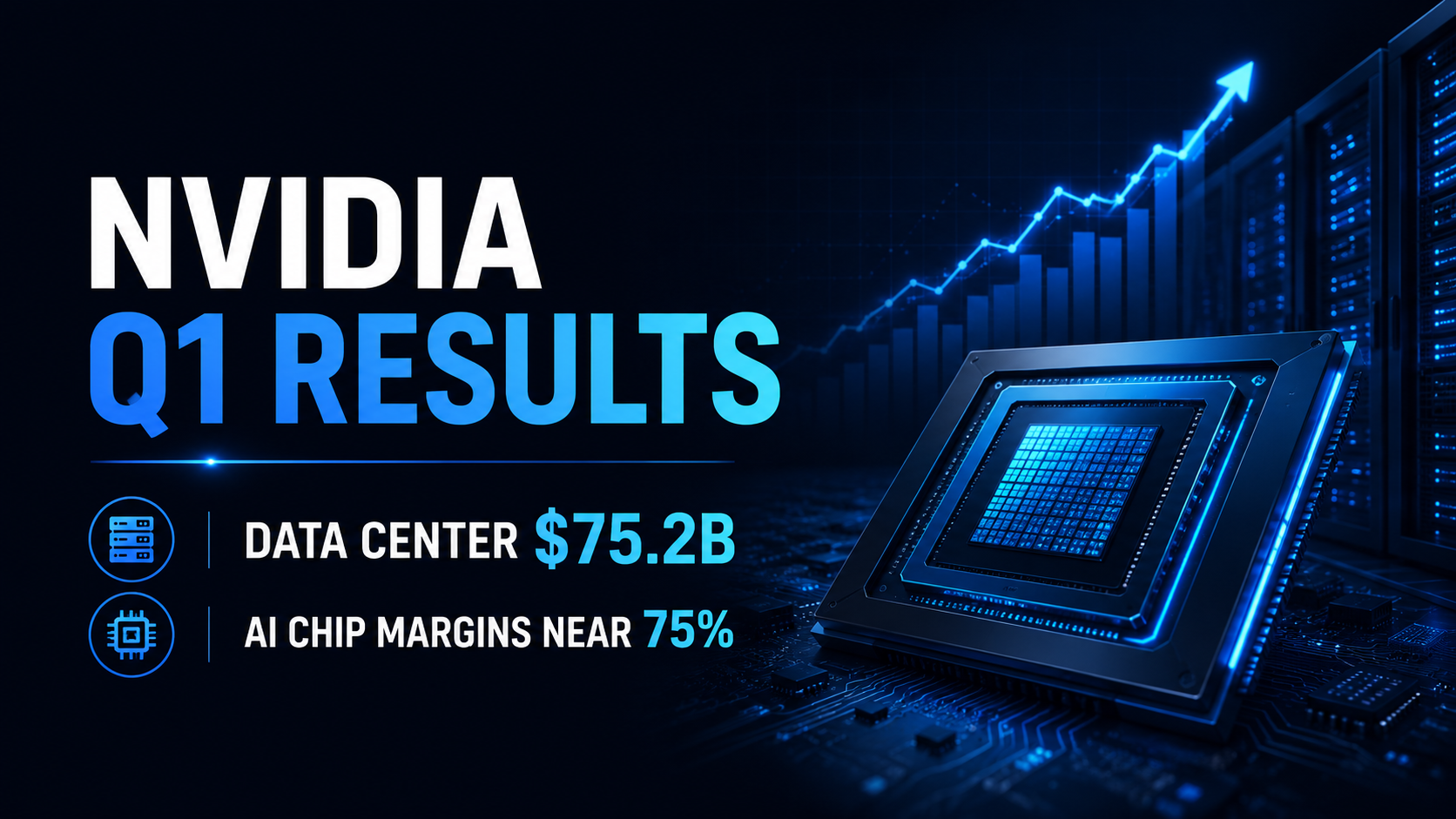
Nvidia FY2027 Q1 Earnings Review: Data Center Revenue Hits $75.2B as AI Chip Margins Hold Near 75%

Miden USDCx Brings Private Stablecoin Payments Onchain


You May Also Like
HOT
Currently trending cryptocurrencies that are gaining significant market attention
Crypto Prices
The cryptocurrencies with the highest trading volume
Newly Added
Recently listed cryptocurrencies that are available for trading