Why LoraFinance Just Migrated to Solana — And What It Signals
LoraFinance has officially announced its migration from MegaETH to Solana for its version 2 launch. This decision comes as the DeFi protocol seeks to benefit from Solana’s superior speed, liquidity, and asset accessibility. The announcement was made through a tweet by SolanaFloor, highlighting the reasoning behind this strategic move.
What Went Down
The migration to Solana represents a significant advancement for LoraFinance, a protocol known for its innovative streaming DeFi model. This model allows users to rent price upside on assets like ETH and BTC on a second-by-second basis, enhancing capital efficiency. By moving to Solana, which can process thousands of transactions per second with finality in approximately 400 milliseconds, LoraFinance aims to eliminate confirmation delays previously experienced on MegaETH. The transition is expected to attract more users seeking a seamless trading experience in the DeFi space.
The Numbers
Currently, LoraFinance shows no trading volume, reflecting perhaps the transitional phase as it shifts to the Solana network. However, the broader crypto market is exhibiting mixed signals, with varied momentum across major assets. This context may play a role in how quickly LoraFinance can establish itself on Solana and attract liquidity.
LoraFinance initially selected MegaETH for its ultra-low-latency architecture, which promised rapid order execution. However, challenges related to confirmation delays led to the decision to migrate. Solana’s reputation for high throughput and low fees makes it an attractive alternative for DeFi protocols looking to improve efficiency and user satisfaction.
What Comes Next
Traders should watch how LoraFinance’s migration impacts its user base and liquidity on the Solana network. This move could lead to increased competition among DeFi protocols, particularly for those leveraging Solana’s capabilities. Monitoring transaction volumes and user engagement will be crucial in assessing the long-term viability of this migration.
The post Why LoraFinance Just Migrated to Solana — And What It Signals appeared first on Coinfomania.


You May Also Like

Anchorage Digital Brings wstETH To Institutional Clients As Liquid Staking Becomes Part Of Mainstream Crypto Custody
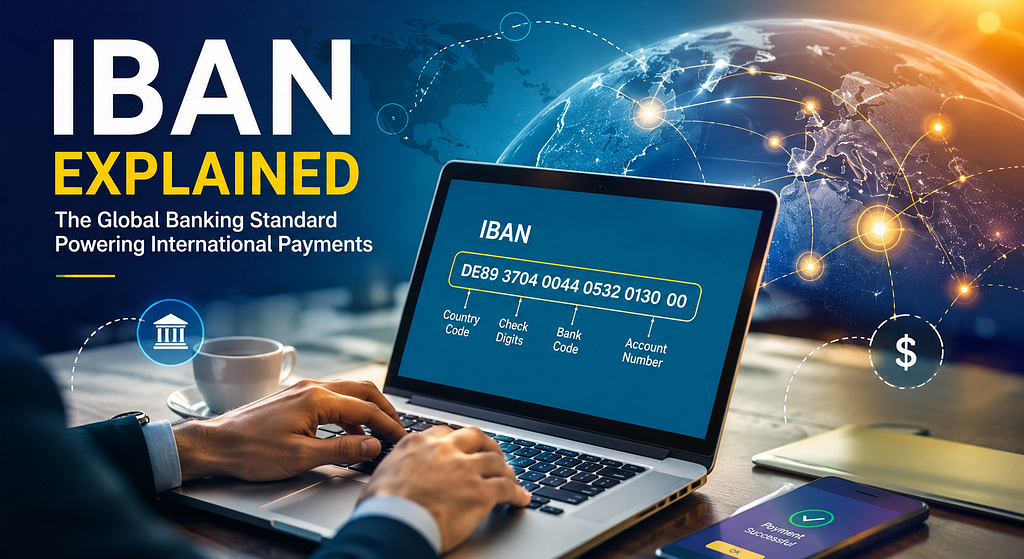
IBAN Explained: The Global Banking Standard Quietly Powering International Payments