

Tevard Biosciences Reports Complete Dystrophin Restoration and Titin Rescue with Suppressor tRNA Therapy at ASGCT 2026
Tevard Biosciences, Inc., a biotechnology company focused on tRNA-based therapies for genetic diseases, presented new preclinical data at the 2026 American Society of Gene & Cell Therapy (ASGCT) Annual Meeting in Boston. The data demonstrate that the company’s next-generation suppressor tRNAs (sup-tRNAs) achieve complete restoration of full-length dystrophin protein in multiple mouse models of Duchenne muscular dystrophy (DMD) caused by nonsense mutations. Additionally, the sup-tRNAs provided durable rescue of full-length titin protein in a mouse model and functional rescue in human cardiomyocyte models of dilated cardiomyopathy associated with TTN truncations (DCM-TTNtv).
The findings, detailed in a press release from Tevard, indicate that the sup-tRNAs restore dystrophin to wild-type levels, effectively curing the underlying protein deficiency in DMD models. For DCM-TTNtv, the therapy rescued full-length titin expression, a protein critical for heart muscle function. Tevard’s compact tRNA architecture allows flexible packaging into adeno-associated virus (AAV) vectors, enabling precise dose control and broad applicability to various pathogenic nonsense mutations. The company highlighted that the platform can restore native protein expression in a cell-specific and durable manner, addressing key challenges in genetic medicine.
The significance of these results lies in the potential to treat DMD and DCM-TTNtv, both severe and currently incurable conditions. DMD, caused by mutations in the dystrophin gene, leads to progressive muscle degeneration and premature death. Existing therapies focus on symptom management or partial dystrophin restoration, whereas Tevard’s approach aims to restore the full-length protein, potentially offering a more complete treatment. Similarly, DCM-TTNtv is a leading cause of heart failure, and current options are limited to supportive care or transplantation. By restoring titin, Tevard’s therapy could directly address the root cause of the disease.
Tevard’s suppressor tRNA platform works by reading through premature stop codons, allowing the cellular machinery to produce full-length proteins. This approach is distinct from gene therapy or exon skipping, as it does not require replacing the entire gene or altering splicing. The company is advancing programs in muscular dystrophies, heart disease, and neurological disorders. For more information, visit www.tevard.com. The full announcement, including downloadable images and additional details, is available at this link.
The data presented at ASGCT underscore the versatility of the suppressor tRNA platform and its potential to address a range of genetic diseases caused by nonsense mutations. With further development, these therapies could transform the treatment landscape for patients with DMD, DCM-TTNtv, and other conditions.

This news story relied on content distributed by Reportable. Blockchain Registration, Verification & Enhancement provided by NewsRamp . The source URL for this press release is Tevard Biosciences Reports Complete Dystrophin Restoration and Titin Rescue with Suppressor tRNA Therapy at ASGCT 2026.
The post Tevard Biosciences Reports Complete Dystrophin Restoration and Titin Rescue with Suppressor tRNA Therapy at ASGCT 2026 appeared first on citybuzz.


You May Also Like
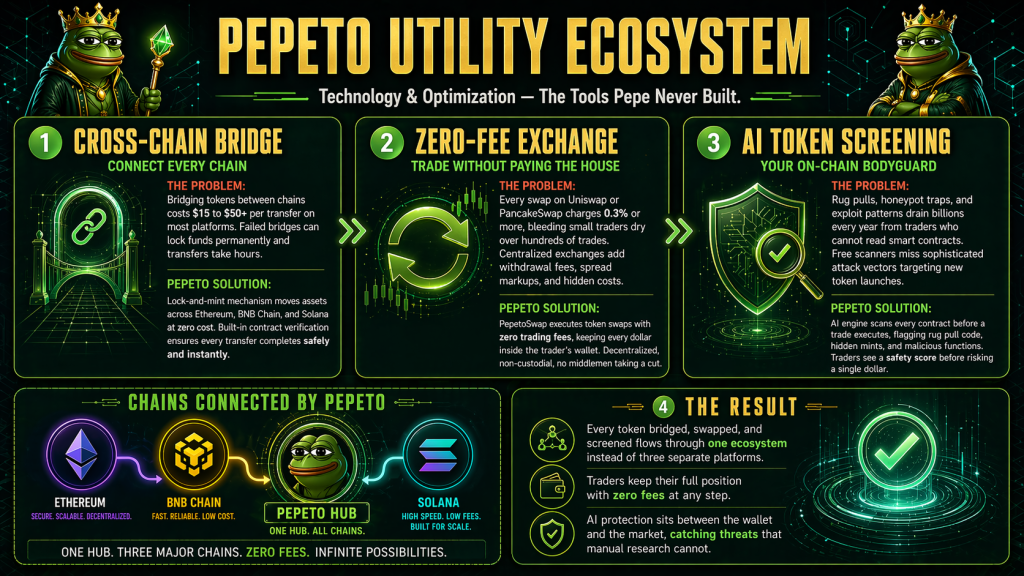
Which Are the Top 3 Cryptos to Buy Now as Solana Lands Mastercard and Pepeto Presale Nears Sold-Out Close
Ondas (ONDS) Stock Soars After Revenue Explodes Over 1,000% in Q1 2026




