

China’s ai stocks surge despite slowing economy
China’s broader economy continues to face mounting pressure from weak consumer demand, slowing property markets, and uneven industrial recovery, yet one sector is moving in the opposite direction. Artificial intelligence and technology-related stocks in China are experiencing strong investor momentum as capital increasingly flows into semiconductors, software, AI infrastructure, and advanced computing firms.
The divergence between China’s economic slowdown and the rapid rise of AI-related equities is becoming one of the most closely watched developments in global financial markets. Investors appear to be betting that artificial intelligence and hard technology will become the country’s next major growth engine, even as traditional sectors continue struggling to regain momentum.
investors shift focus toward ai and hard tech
While several areas of China’s economy remain under pressure, investor attention has rapidly shifted toward companies linked to artificial intelligence development and advanced technology infrastructure.
Semiconductor manufacturers, AI software firms, cloud computing providers, and data infrastructure companies have all seen increased market activity as investors search for sectors capable of delivering future growth.
This shift reflects a broader belief that China’s long-term economic competitiveness may increasingly depend on its ability to develop domestic AI capabilities and reduce reliance on foreign technology supply chains.
As a result, capital is moving aggressively into industries connected to machine learning, chip manufacturing, robotics, and next-generation computing systems.
china’s economic slowdown creates market contrast
China’s overall economic picture remains mixed. The country continues facing slower-than-expected growth in consumer spending, property investment, and manufacturing activity.
Real estate markets, once a primary driver of economic expansion, continue experiencing structural weakness following years of debt concerns and reduced housing demand.
At the same time, exports and industrial production have shown uneven recovery patterns amid global economic uncertainty and changing trade dynamics.
Despite these challenges, AI-related stocks have become one of the few bright spots in Chinese equity markets, attracting both domestic and international investor attention.
why ai is becoming china’s growth narrative
Artificial intelligence has increasingly emerged as a strategic priority for China, both economically and geopolitically.
The country has invested heavily in developing domestic semiconductor production, AI research capabilities, and advanced computing infrastructure as competition with Western technology firms intensifies.
Investors believe this strategic push could create long-term opportunities across several industries tied to AI adoption and digital transformation.
Companies involved in GPU manufacturing, AI training infrastructure, enterprise software, automation systems, and cloud computing are now being viewed as critical components of China’s future economic model.
The rapid rise of generative AI globally has further accelerated investor enthusiasm toward Chinese companies positioned within the sector.
semiconductor stocks lead the rally
Among the strongest-performing segments in China’s AI trade are semiconductor and chip-related companies.
Demand for advanced chips capable of powering AI applications has increased dramatically worldwide, driving investor optimism toward firms involved in chip design, fabrication, and equipment manufacturing.
As geopolitical tensions continue influencing access to foreign semiconductor technology, China has accelerated efforts to strengthen domestic chip production capacity.
This policy direction has encouraged investors to view semiconductor firms as both strategic national assets and potential long-term growth opportunities.
Several Chinese technology companies linked to AI hardware infrastructure have experienced sharp gains as investors anticipate increased government support and rising domestic demand.
software and ai infrastructure attract capital inflows
Beyond semiconductors, software developers and AI infrastructure providers are also seeing strong investor interest.
Enterprise AI platforms, cloud computing firms, and companies specializing in data processing are increasingly viewed as beneficiaries of the global AI expansion cycle.
The rise of generative AI applications has intensified competition among technology firms to develop scalable infrastructure capable of supporting advanced machine learning systems.
In China, this has translated into growing investor focus on companies building AI ecosystems, data centers, and computing platforms designed for large-scale artificial intelligence deployment.
global investors monitor china’s ai expansion
International investors are also paying close attention to China’s AI market despite broader concerns surrounding the country’s economic slowdown.
Many analysts believe AI may become one of the few sectors capable of delivering sustained growth within the Chinese economy over the next decade.
This has created a divergence in market behavior, where traditional sectors tied to consumer demand remain weak while technology-focused equities continue attracting capital.
The trend reflects a growing belief that AI development may offset some of the structural challenges facing China’s economy.
government support strengthens market optimism
Government policy has played an important role in supporting China’s AI sector expansion.
Chinese authorities have repeatedly emphasized technological self-sufficiency as a national priority, particularly in areas such as semiconductors, artificial intelligence, and advanced manufacturing.
This policy framework has strengthened investor confidence that the sector will continue receiving regulatory and financial support.
Subsidies, research funding, and infrastructure investment programs have all contributed to accelerating development within the AI ecosystem.
As a result, investors increasingly view AI-related industries as strategically protected growth areas within the Chinese economy.
market risks remain despite strong momentum
Despite the strong performance of AI-related stocks, analysts caution that risks remain significant.
 |
| Source: Xpost |
China’s broader economic slowdown continues creating uncertainty around long-term corporate earnings and consumer demand.
In addition, AI-related valuations have risen rapidly, leading some investors to question whether parts of the sector may be overheating.
Geopolitical tensions, export restrictions, and global supply chain disruptions also continue posing challenges for Chinese technology companies.
As competition intensifies globally, maintaining technological leadership will require continued investment and innovation across the sector.
comparison with global ai market trends
China’s AI stock rally mirrors broader global trends where artificial intelligence has become one of the dominant investment themes across equity markets.
In the United States and Europe, AI-related companies have also experienced major valuation increases as investors anticipate transformative economic impact from machine learning technologies.
However, China’s situation is unique because the AI sector is outperforming against the backdrop of a relatively weak domestic economy.
This contrast has made China’s AI market one of the most closely watched areas in international finance.
analyst commentary and market discussions
Financial discussions circulating across global markets, including commentary associated with @coinbureau on X, have highlighted the growing divergence between China’s slowing economy and the strength of its AI-driven equity sectors.
Analysts note that investors are increasingly separating technology growth stories from broader macroeconomic weakness.
This selective optimism reflects how artificial intelligence is reshaping investment strategies worldwide.
future outlook for china’s ai sector
The long-term outlook for China’s AI sector will likely depend on several key factors, including government support, semiconductor development, global competition, and adoption of AI technologies across industries.
If current momentum continues, AI-related companies could become a larger share of China’s overall equity market and economic growth narrative.
At the same time, broader economic challenges remain unresolved, meaning investor confidence could remain highly sensitive to macroeconomic conditions and regulatory developments.
For now, however, the AI trade continues standing out as one of the strongest areas of growth within China’s financial markets.
conclusion
China’s AI-related stocks are rapidly outperforming much of the country’s broader economy as investors pour capital into semiconductors, software, and artificial intelligence infrastructure.
While traditional sectors continue facing economic pressure, the AI industry has emerged as a central growth narrative for both domestic and international investors.
The trend highlights the increasing importance of artificial intelligence within global financial markets and signals how technology-driven sectors may shape the next phase of China’s economic transformation.
hoka.news – Not Just Crypto News. It’s Crypto Culture.
Writer @Victoria
Victoria Hale is a writer focused on blockchain and digital technology. She is known for her ability to simplify complex technological developments into content that is clear, easy to understand, and engaging to read.
Through her writing, Victoria covers the latest trends, innovations, and developments in the digital ecosystem, as well as their impact on the future of finance and technology. She also explores how new technologies are changing the way people interact in the digital world.
Her writing style is simple, informative, and focused on providing readers with a clear understanding of the rapidly evolving world of technology.
Disclaimer:
The articles on HOKA.NEWS are here to keep you updated on the latest buzz in crypto, tech, and beyond—but they’re not financial advice. We’re sharing info, trends, and insights, not telling you to buy, sell, or invest. Always do your own homework before making any money moves.
HOKA.NEWS isn’t responsible for any losses, gains, or chaos that might happen if you act on what you read here. Investment decisions should come from your own research—and, ideally, guidance from a qualified financial advisor. Remember: crypto and tech move fast, info changes in a blink, and while we aim for accuracy, we can’t promise it’s 100% complete or up-to-date.
Stay curious, stay safe, and enjoy the ride! hokanews.com


You May Also Like
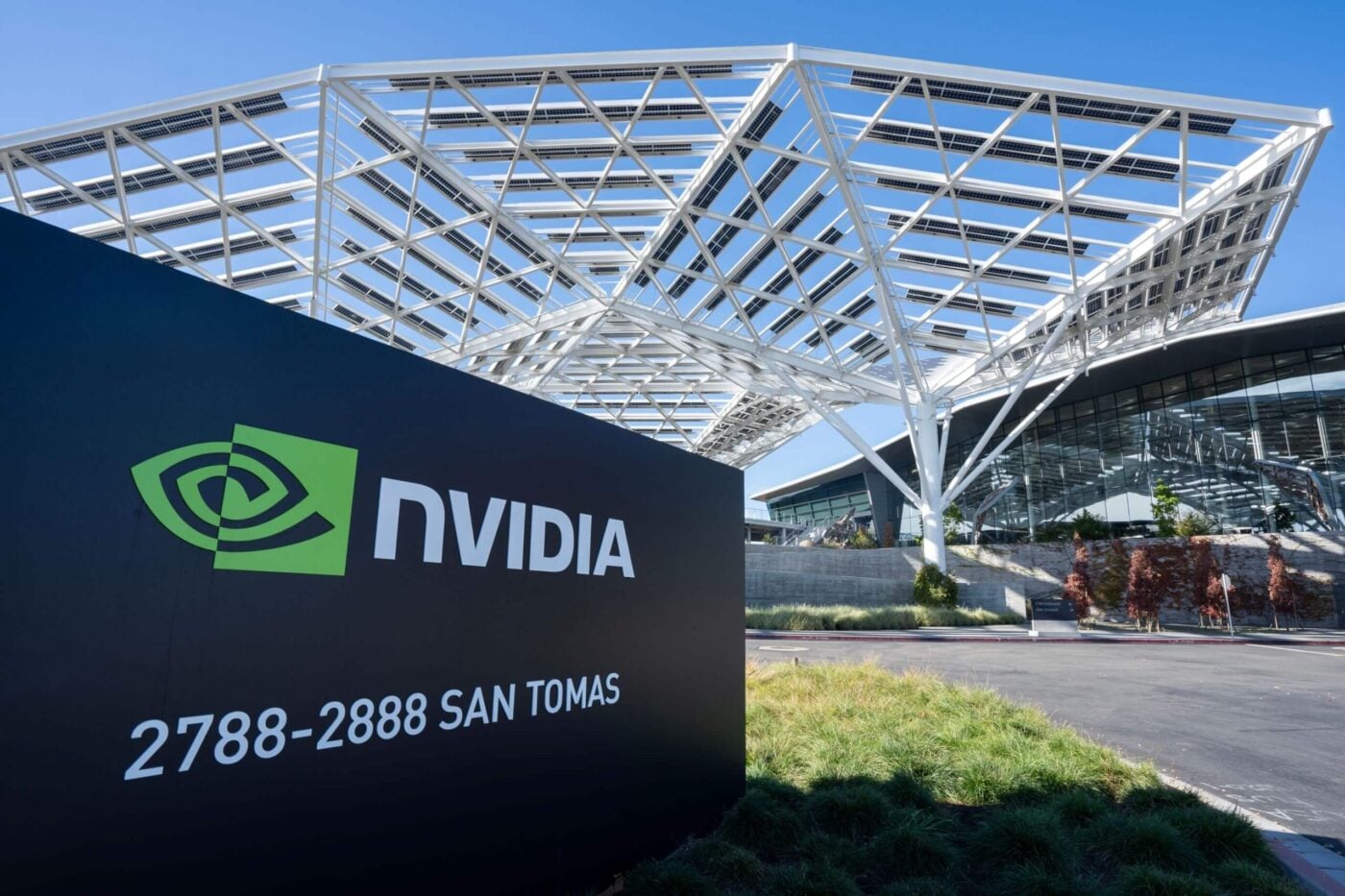
Nvidia (NVDA) CEO Calls on Super Micro to Strengthen Export Controls Amid Smuggling Probe

How to Use a POS System: What It’s Really Like in Practice

From Telegram to Terminal: Banana Gun’s Pro Platform Hits Ethereum as User Base Surpasses One Million



