

Moody’s Bitcoin Haircut: Forced-Selling Trigger
Moody’s has applied a 27.94% Bitcoin haircut to the collateral behind what the issuer calls the world’s first Bitcoin-backed municipal bond, a $100 million issuance approved by the New Hampshire Business Finance Authority. The rating agency’s structure also sets a concrete trigger that would force full bond redemption if Bitcoin’s value drops far enough.
How Moody’s arrived at the 28% Bitcoin haircut
The New Hampshire Business Finance Authority said on November 19, 2025 that it approved a Bitcoin-backed municipal bond structure described as the world’s first of its kind. The inaugural issuance was described as $100 million, with BitGo Trust Company named as custodian for the Bitcoin collateral.
Moody’s assigned a provisional Ba2 rating to up to $100 million of those bonds. In its analysis, the agency used a 72.06% advance rate, meaning it values the Bitcoin collateral at roughly 72 cents on the dollar for lending purposes.
That 72.06% advance rate is where the headline figure comes from. A 72.06% advance rate implies a 27.94% discount, rounded to 28%. This is a risk buffer applied by the rating agency, not a drop in Bitcoin’s market price.
A collateral haircut is standard in structured finance. Lenders and rating agencies discount volatile assets to account for the risk that collateral could lose value before it can be liquidated. For Bitcoin, a nearly 28% haircut reflects Moody’s view of how much downside protection bondholders need given BTC’s historical volatility.
What the forced-selling trigger actually means
The bond structure starts with 1.60x initial collateral coverage, meaning the Bitcoin held as collateral is worth 60% more than the face value of the bonds at issuance. If the value of that collateral falls to a 1.40x loan-to-value ratio, the structure requires mandatory full redemption of the bonds.
That 1.40x threshold is the “forced-selling trigger” referenced in the headline. It is a contractual mechanism built into the bond terms, not an event that has already occurred. There is no evidence in any of the source materials that the trigger has been hit.
Many reports on this story are likely to conflate a forced-redemption trigger with an active liquidation event. The distinction matters: the bond documents define a condition under which redemption becomes mandatory, but meeting that condition requires a significant decline in Bitcoin’s price relative to the outstanding bond value. Setting the mechanics is not the same as triggering them.
This kind of structural safeguard resembles the margin-call mechanics familiar to traditional finance. When collateral value erodes past a defined threshold, the borrower must either post additional collateral or the position is unwound, similar to how whale selling pressure and margin dynamics play out in crypto markets more broadly.
Why this matters for Bitcoin-backed bonds and regular BTC holders
NHBFA board minutes from November 17, 2025 show the authority voted to authorize up to $100 million in bonds under NH RSA 162-I for a project to acquire and hold digital currency. The issuer stated that the bonds are collateralized and limited-recourse, with no taxpayer funds or state taxing power backing repayment.
That structure represents a milestone for Bitcoin’s role in institutional finance. A state-level authority issuing bonds backed by Bitcoin collateral, rated by a major agency, and custodied by a regulated trust company is a fundamentally different proposition from retail speculation. It also arrives as U.S. financial regulators increasingly acknowledge that blockchain-based assets need updated frameworks.
For regular BTC holders, the mandatory redemption trigger applies exclusively to this bond structure. It does not affect people holding Bitcoin in a personal wallet or exchange account. If the trigger were ever hit, the forced selling would involve liquidating the specific Bitcoin held as collateral for these bonds, not a broader market-wide forced sale.
At the time of research, BTC was trading at $66,382, down 3.30% over 24 hours, with a market cap of roughly $1.33 trillion. The Fear & Greed Index sat at 12, deep in Extreme Fear territory.
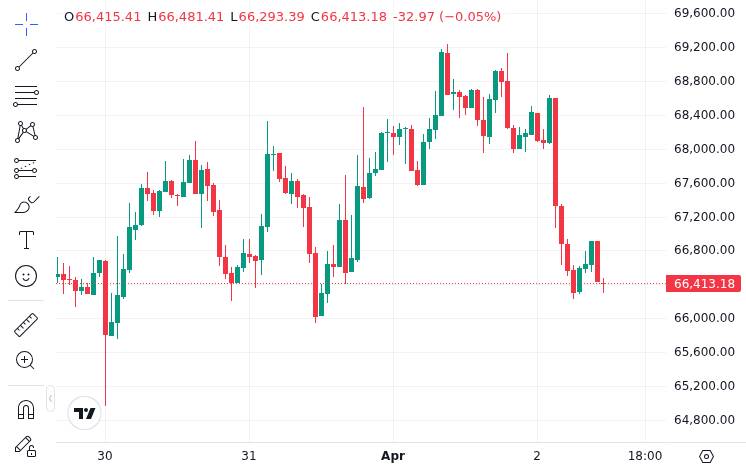 CoinMarketCap chart illustrating the price backdrop referenced in this article on bitcoin.
That sentiment backdrop adds context but does not indicate imminent redemption pressure on the New Hampshire bonds. The 1.60x initial coverage provides a substantial buffer before the 1.40x trigger would come into play, and current market conditions, while fearful, are separate from the bond’s collateral calculations at issuance.
The broader signal is that Bitcoin is now being underwritten by the same institutions that rate corporate and sovereign debt. Conservative risk controls like haircuts and redemption triggers are the price of that legitimacy. As state-level crypto legislation advances across the country, the New Hampshire bond may become a template for how public finance interacts with digital assets, complete with the guardrails traditional bond markets expect.
Disclaimer: This article is for informational purposes only and does not constitute financial or investment advice. Cryptocurrency and digital asset markets carry significant risk. Always do your own research before making decisions.


You May Also Like

AI predicts XRP price for April 30, 2026

Cryptopolitan Launches Crypto Data Dashboards and Becomes the First Media Platform with Full Agentic AI Access


