$72K-এর কাছাকাছি বিটকয়েন প্রাইস আউটলুক: BTC কি পরবর্তী সময়ে $75,000 চ্যালেঞ্জ করতে পারবে?
Bitcoin's surge toward $72,000 has shifted market attention from a prolonged consolidation phase to a new question: what comes next for BTC?
The move above $71,000 ended a six-week range and removed a large concentration of bearish leveraged positions.
However, a breakout does not automatically mean that Bitcoin will continue directly toward $75,000 or beyond.
Summary
Bitcoin moved out of the approximately $62,000–$66,900 range that had contained prices since early July and reached the $71,000–$72,000 area on August 20.
The initial breakout was strengthened by a large short squeeze, while regulatory optimism and changes in broader financial conditions also supported sentiment.
From here, traders can consider three broad scenarios:
- BTC consolidates above the breakout area and challenges $75,000
- BTC enters a new range around current levels
- BTC loses momentum and retests lower support
These are scenarios, not price guarantees.
Why $72K Matters for Bitcoin
Round-number price levels often attract significant market attention.
But the current significance of the $70,000–$72,000 area goes beyond psychology.
Bitcoin had repeatedly struggled to sustain higher prices before the latest breakout.
Moving through that area changed the short-term structure and forced many bearish positions out of the market.
The question now is whether BTC can convert previous resistance into support.
Bullish Scenario: BTC Moves Toward $75,000
A move toward $75,000 becomes more plausible if Bitcoin can remain above its breakout area and attract new demand after the short squeeze.
Potential confirmation signals include:
- BTC holding above $70,000
- Continued spot-market demand
- Healthy rather than excessive futures positioning
- No immediate return into the previous six-week range
- Broader crypto-market participation
The $75,000 level should be viewed as a market scenario and psychological area, not as a guaranteed target.
Neutral Scenario: Bitcoin Consolidates
A second possibility is that BTC pauses after its rapid move.
This would not necessarily be bearish.
Markets frequently consolidate after sharp price expansion because participants need time to reassess valuations and positioning.
A period of sideways trading could allow:
- Volatility to normalize
- Open interest to rebuild
- New support zones to develop
- Buyers and sellers to establish a new equilibrium
For futures traders, this environment can produce very different risk conditions from a one-directional short squeeze.
Bearish Scenario: The Breakout Fails
The third possibility is a failed breakout.
Because a large portion of the initial move was linked to forced short covering, traders should watch whether genuine follow-through demand emerges.
If BTC returns decisively below recently reclaimed levels, traders could begin questioning whether the breakout was sustainable.
This is one reason futures users should avoid treating any single scenario as certain.
What Could Move Bitcoin Next?
Several catalysts could affect the next phase.
U.S. Monetary Policy
The Federal Reserve maintained the federal funds target range at 3.5%–3.75% following its July meeting.
The next FOMC meeting is scheduled for September 15–16, 2026, overlapping with the final stage of the MEXC Win competition.
Jackson Hole
The Federal Reserve Bank of Kansas City has confirmed that the 2026 Jackson Hole Economic Policy Symposium will run from August 27–29, with the theme “Financial Innovation: Implications for Payments and Policy.”
Markets often follow major central-bank communications closely, particularly when interest-rate expectations are uncertain.
U.S. Digital-Asset Regulation
Regulatory developments remain another source of volatility.
Reuters reported renewed pressure in Washington to advance digital-asset market-structure legislation, helping improve crypto sentiment on August 20.
Trading BTC Futures When the Direction Is Uncertain
Futures traders do not need to assume that Bitcoin will only rise.
Futures markets allow both long and short positions, but leverage introduces additional risk regardless of direction.
Users unfamiliar with contract mechanics can review USDT-M Futures vs Coin-M Futures and the MEXC Futures Trading Complete Tutorial for Web.
The CFTC also warns that leveraged cryptocurrency futures can amplify losses as well as gains.
Bitcoin’s Next Move and MEXC Win Infinity Arena
Bitcoin's return to a higher-volatility environment coincides with the launch period of MEXC Win Infinity Arena.
The official competition begins August 26 and includes multiple Futures-oriented reward tracks.
Rather than requiring every participant to compete through the same metric, the event includes Team PNL, daily trading volume, Futures tasks and other mechanisms.
Read MEXC Win Infinity Arena: 10M USDT Prize Pool Explained for the full structure, or visit the MEXC Win event page.
FAQ
Will Bitcoin reach $75,000 next?
It is possible, but not guaranteed. BTC first needs to demonstrate that the breakout can be sustained.
What is the key Bitcoin level after the latest rally?
The $70,000–$72,000 region is particularly important because BTC recently broke through it after weeks of consolidation.
Can Bitcoin fall after a short squeeze?
Yes. Once forced short buying ends, the market still needs sufficient demand to sustain higher prices.
What macro events could affect BTC next?
Jackson Hole on August 27–29 and the September 15–16 FOMC meeting are among the major scheduled events.
Does MEXC Win require traders to predict Bitcoin’s direction?
No. The campaign is a broader Futures trading event with multiple competition and task mechanisms rather than a prediction about BTC price direction.
জনপ্রিয় আর্টিকেল
আরও দেখুন
MEXC ফি ব্যাখ্যা: সম্পূর্ণ ট্রেডিং, ফিউচার & উত্তোলন ফি গাইড
আপনি অভিজ্ঞ ক্রিপ্টোকারেন্সি ট্রেডার হন বা মাত্রই শুরু করে থাকেন, মার্কেট নেভিগেট করতে এবং আপনার ট্রেডিং অভিজ্ঞতা উন্নত করতে ট্রেডিং ফি বোঝা অত্যাবশ্যক। MEXC, একটি শীর্ষস্থানীয় গ্লোবাল ক্রিপ্টোকারেন্

সবারব্যাঙ্ক ক্রিপ্টো ব্যাখ্যা করা হয়েছে: রাশিয়ার বৃহত্তম ব্যাংক প্রথম বছরে $46 বিলিয়ন ট্রেডিং মার্কেট দেখছে
রাশিয়ার নতুন নিয়ন্ত্রিত ক্রিপ্টো মার্কেট গড়ে উঠতে শুরু করেছে, এবং এর অন্যতম গুরুত্বপূর্ণ অংশগ্রহণকারী হতে পারে একটি ঐতিহ্যবাহী ব্যাংক। রাশিয়ার বৃহত্তম ঋণদাতা সবারব্যাঙ্ক আশা করছে যে নিয়ন্ত্রিত রা


ট্রেন্ডিং নিউজ
আরও দেখুন
MEXC অন-চেইন ডেইলি রিপোর্ট: গত সপ্তাহে মার্কিন স্পট Bitcoin ETF থেকে নিট $319 মিলিয়ন আউটফ্লো হয়েছে
ক্রিপ্টো বাজারে ETF আউটফ্লো, নিয়ন্ত্রক পরিবর্তন এবং ক্রমবর্ধমান টোকেনাইজেশন প্রবণতা দেখা গেছে। মূল হাইলাইটগুলির মধ্যে রয়েছে SpaceX IPO আশাবাদ, SEC টোকেনাইজেশন নীতি পরিকল্পনা, CFTC ডেরিভেটিভস সম্প্রস
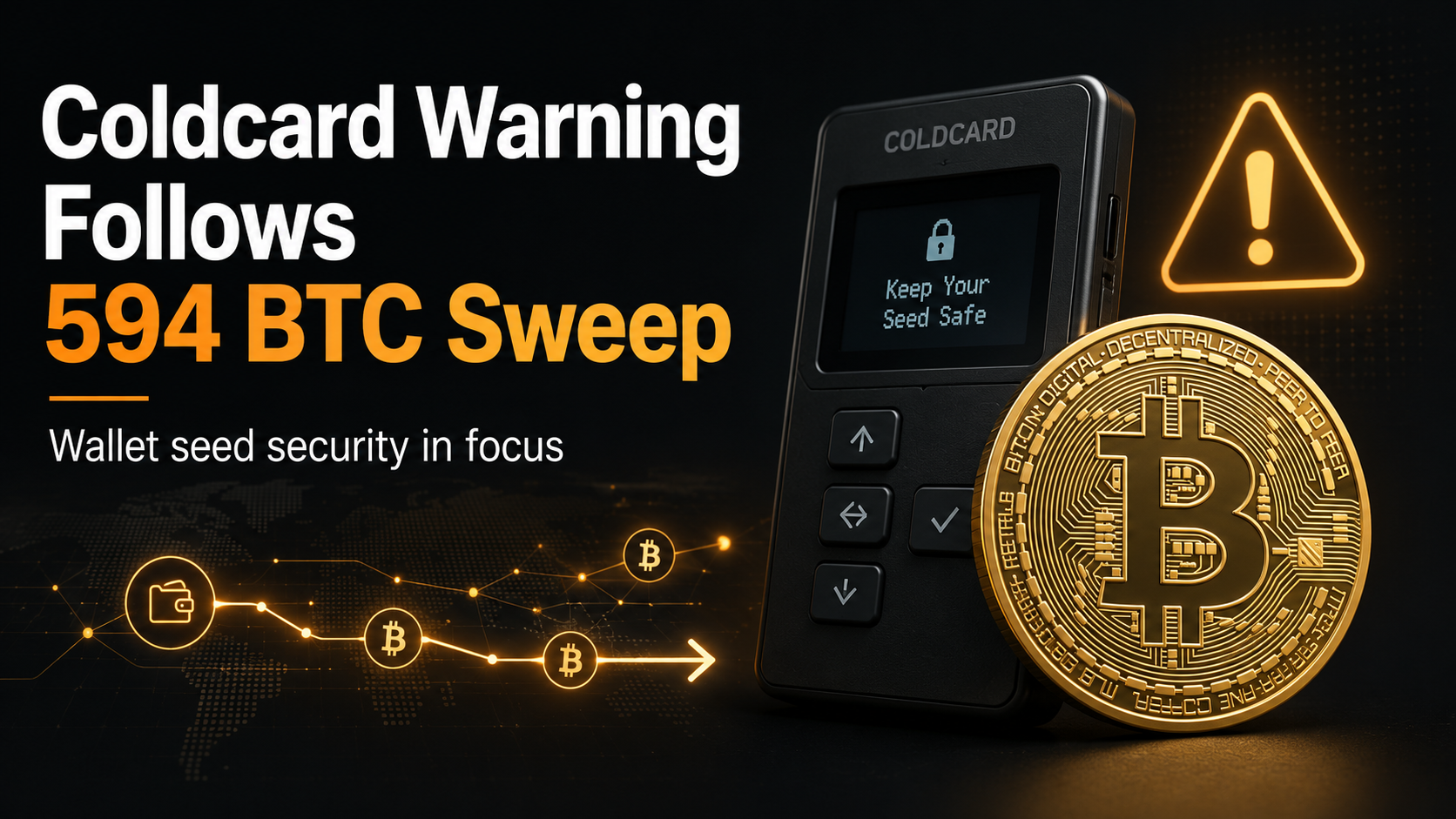
কোল্ডকার্ড Mk3 সতর্কবার্তা $৩৮ মিলিয়ন Bitcoin স্থানান্তরের পর আসে, তবে কারণ এখনও নিশ্চিত নয়
বিটকয়েন হার্ডওয়্যার ওয়ালেট প্রস্তুতকারক কোইনকাইট ব্যবহারকারীদের সতর্ক করেছে যে, ৪.০.১ এবং তার পরবর্তী সমস্ত Mk3 ফার্মওয়্যার সংস্করণসহ কোল্ডকার্ড ডিভাইসগুলোতে সিড-জেনারেশন সমস্যা রয়েছে। নিরাপত্তা

মাস্টারকার্ড সর্বোচ্চ ১.৮ বিলিয়ন মার্কিন ডলারে BVNK অধিগ্রহণ সম্পন্ন করেছে—স্টেবলকয়েনগুলো বিশ্বব্যাপী পেমেন্টের মূল কেন্দ্রে প্রবেশ করছে
মাস্টারকার্ড মার্চ মাসে লেনদেনটি ঘোষণা করার পর, ৩ আগস্ট, ২০২৬-এ স্টেবলকয়েন অবকাঠামো প্রদানকারী BVNK-এর অধিগ্রহণ সম্পন্ন করেছে।

সেন্ট্রালাইজড এক্সচেঞ্জের কার্যকলাপ দুর্বল হওয়ার সাথে সাথে DEX-থেকে-CEX স্পট ভলিউম অনুপাত ২৪%-এ পৌঁছেছে
২০২৬ সালের জুলাই মাসে, দ্য ব্লকের বর্তমান ডেটা সিরিজ অনুযায়ী, বিকেন্দ্রীভূত এক্সচেঞ্জের স্পট ভলিউম এবং কেন্দ্রীভূত এক্সচেঞ্জের স্পট ভলিউমের অনুপাত ২৪.১৪%-এ পৌঁছেছিল। এই সংখ্যাটির অর্থ এই নয় যে ডেক্স
সম্পর্কিত আর্টিকেল
আরও দেখুন
টোকেনাইজড ডিপোজিট কি আসল ব্যাংক ডিপোজিট? কানাডার OSFI ব্যাংকগুলোকে একটি স্পষ্ট উত্তর দিয়েছে
যদি একটি ব্যাংক একটি প্রচলিত গ্রাহক আমানত গ্রহণ করে এবং এটিকে ব্লকচেইন অবকাঠামোতে একটি টোকেন হিসেবে উপস্থাপন করে, তাহলে গ্রাহক আসলে কী মালিকানাধীন?একটি ক্রিপ্টো টোকেন?একটি স্টেবলকয়েন?নাকি একই ব্যাংক

ডিম্যাট ২.০ কী? ভারত ডিজিটাল রুপি নিষ্পত্তির সাথে $১০৭এম টোকেনাইজড বন্ড পাইলট চালু করেছে
ভারত টোকেনাইজড বন্ডকে নিয়ন্ত্রক পরিকল্পনা থেকে লাইভ আর্থিক অবকাঠামোতে স্থানান্তরিত করেছে।সেপ্টেম্বর ২০২৬ সালে, তিনটি ভারতীয় কোম্পানি সম্মিলিতভাবে ₹১,০২৫ কোটি — প্রায় $১০৭ মিলিয়ন — কর্পোরেট বন্ড ইস